Liberation Convoy 2025 – D/S Hestmanden
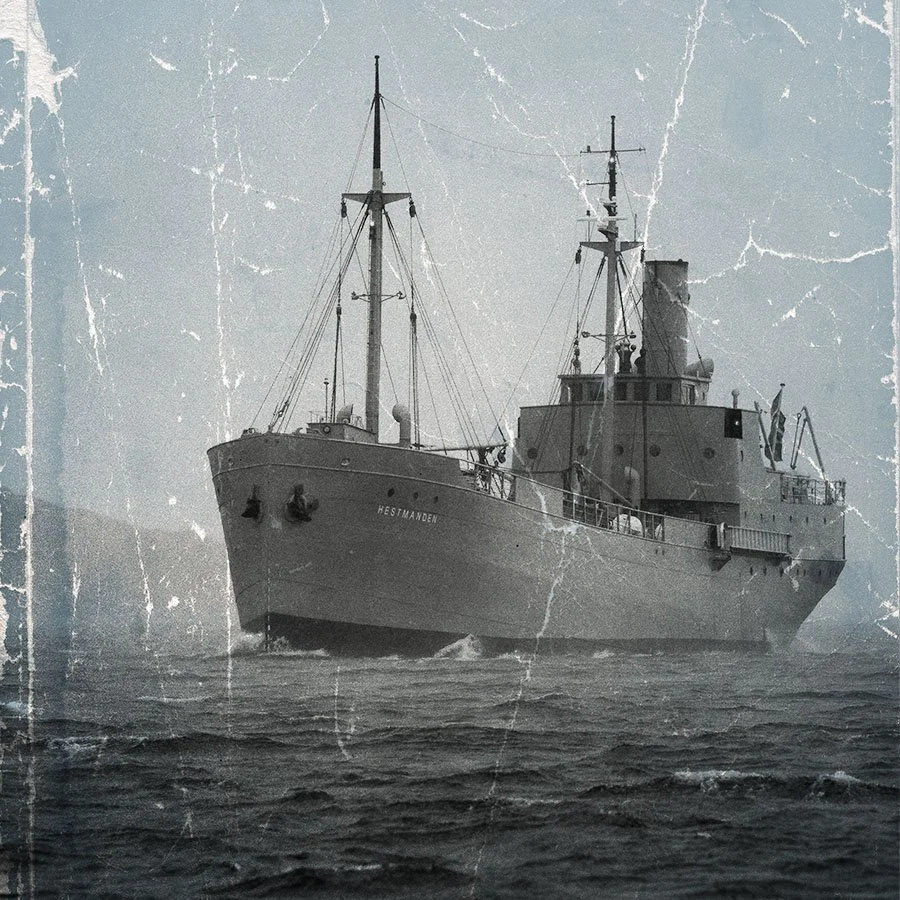
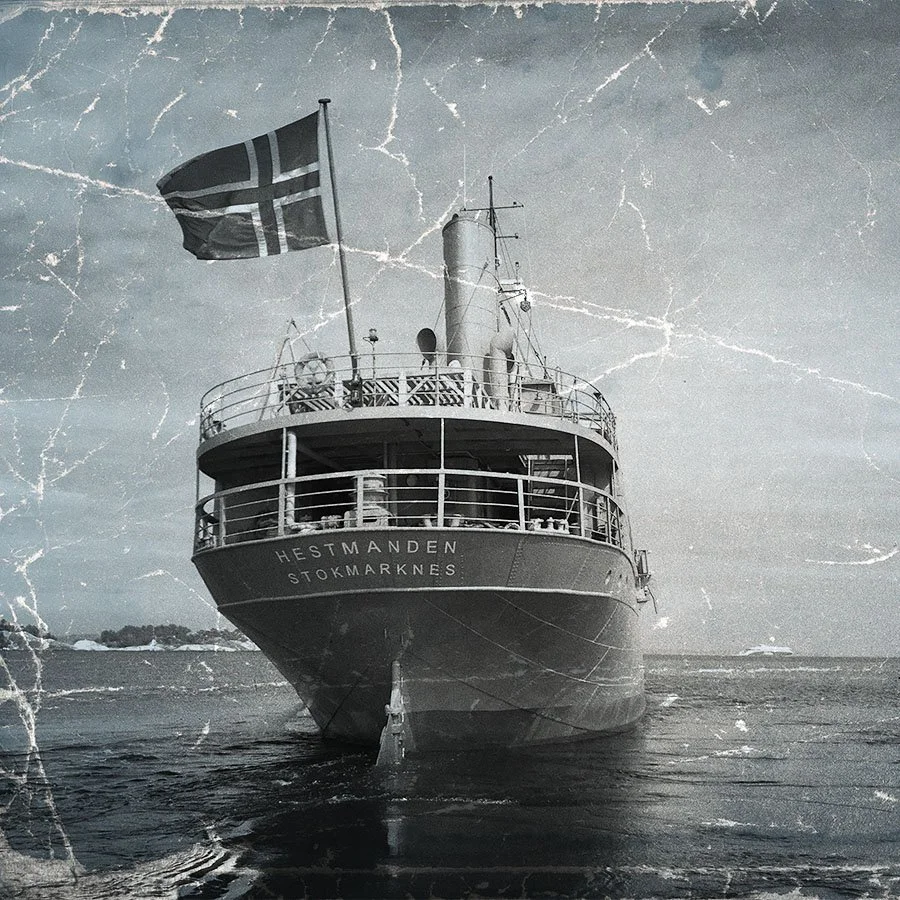
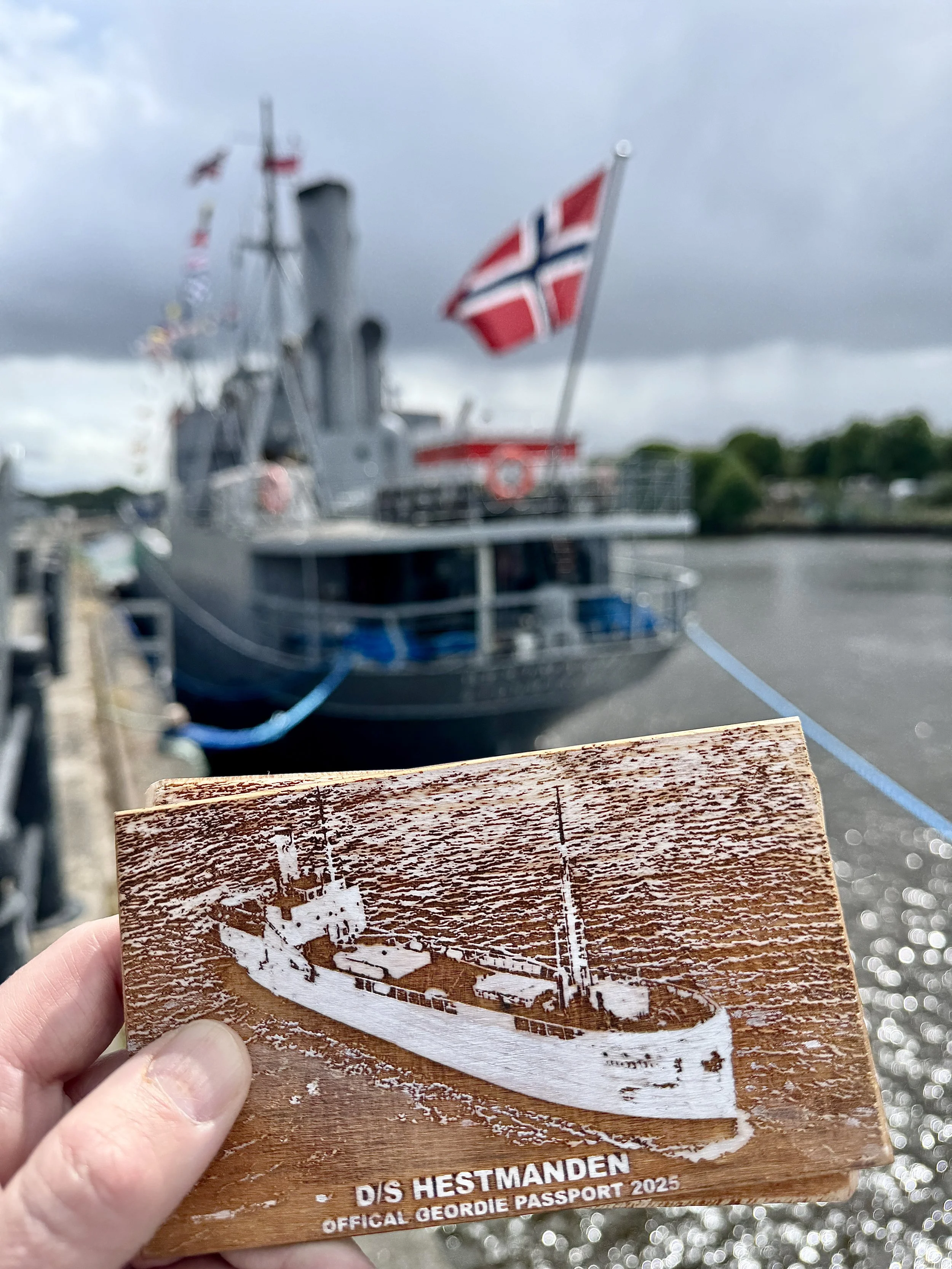
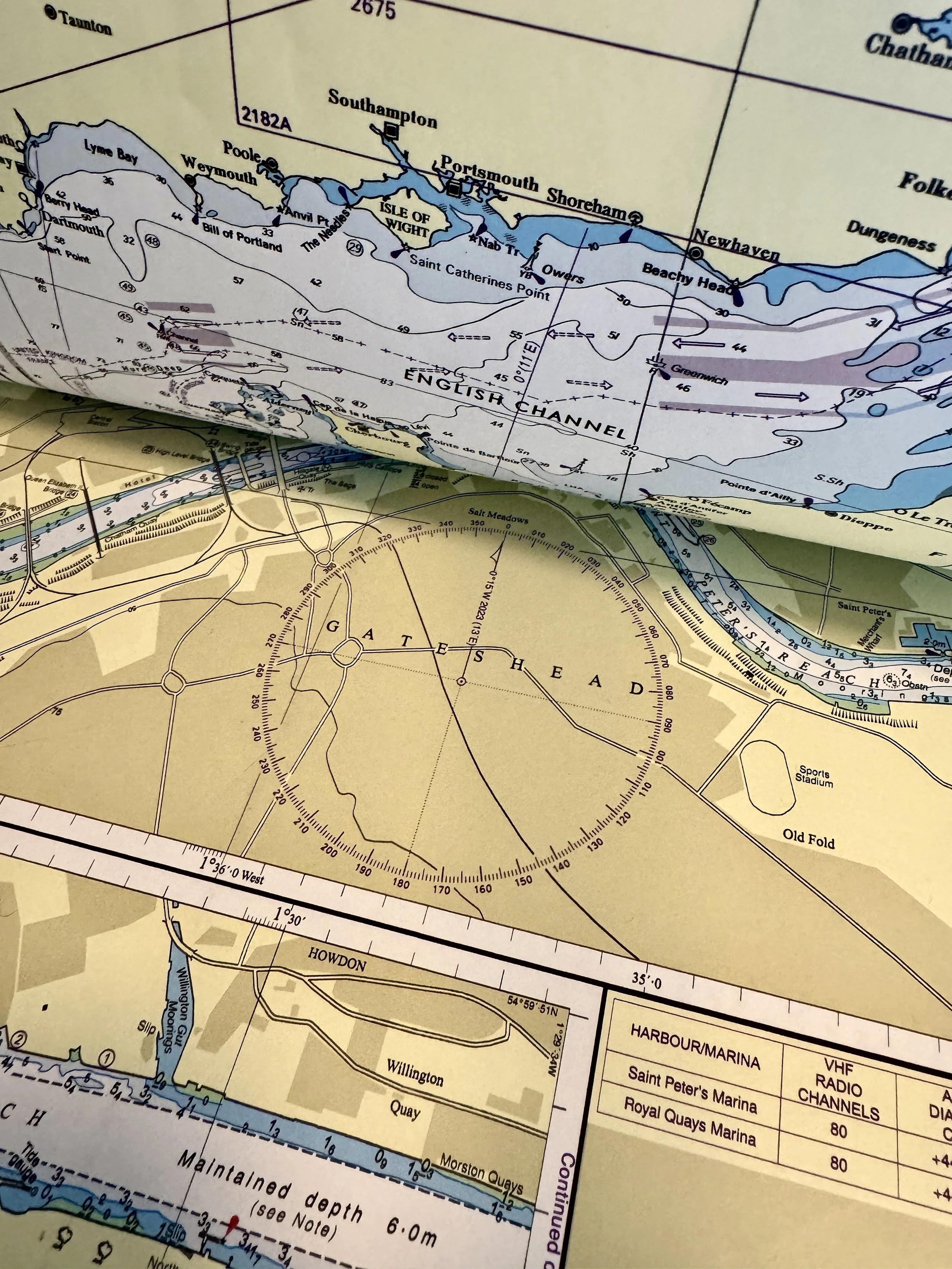
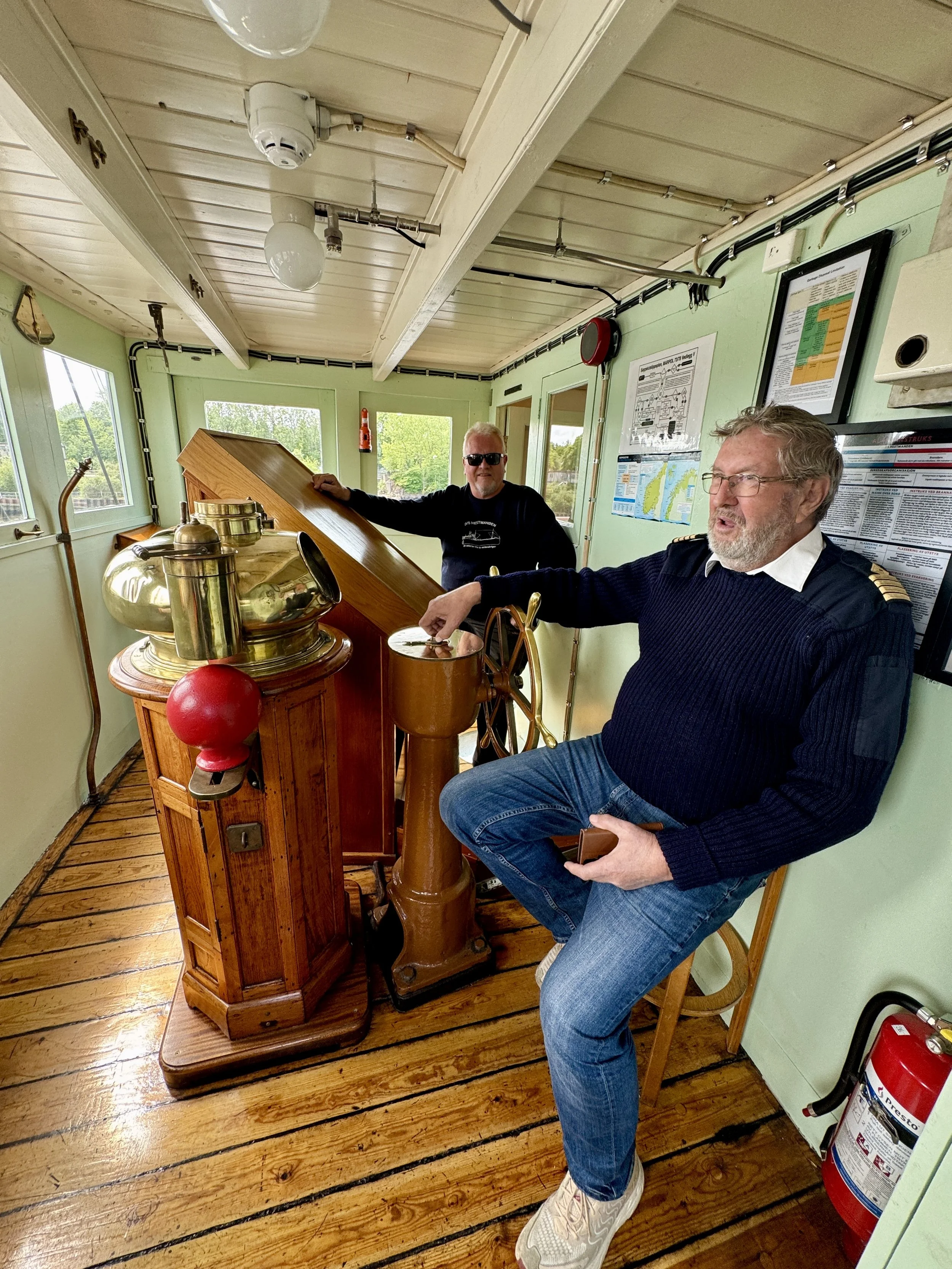
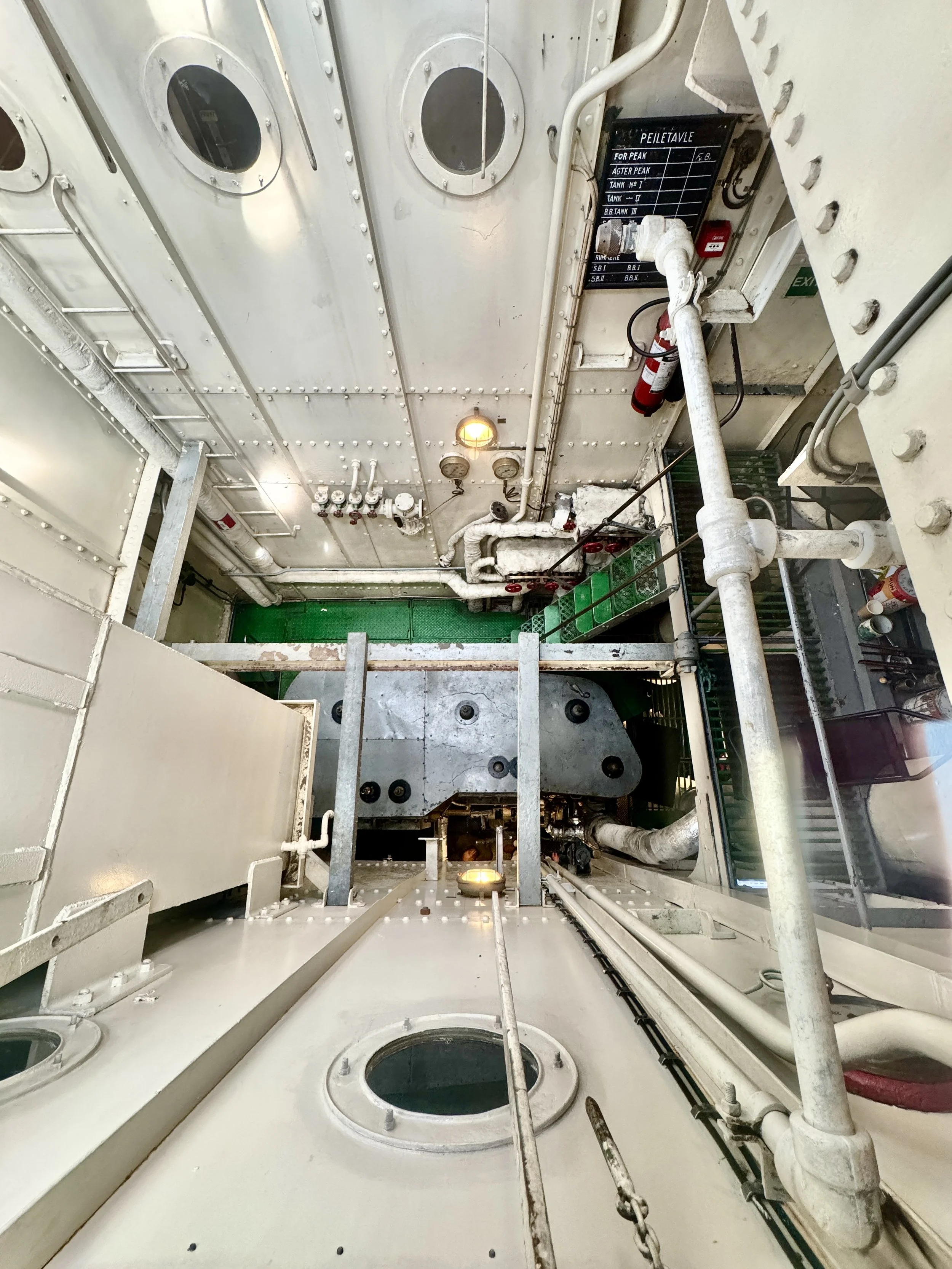
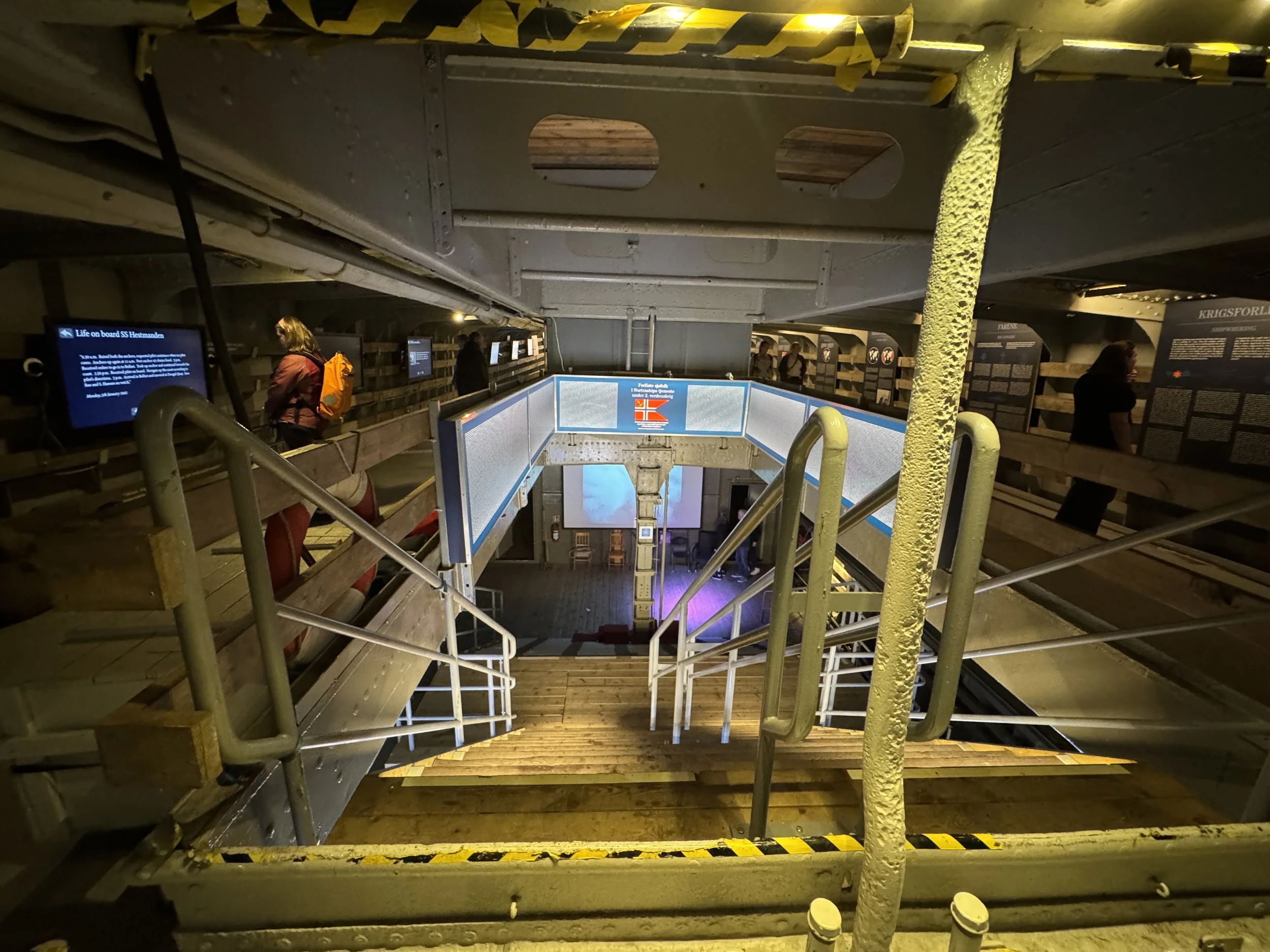
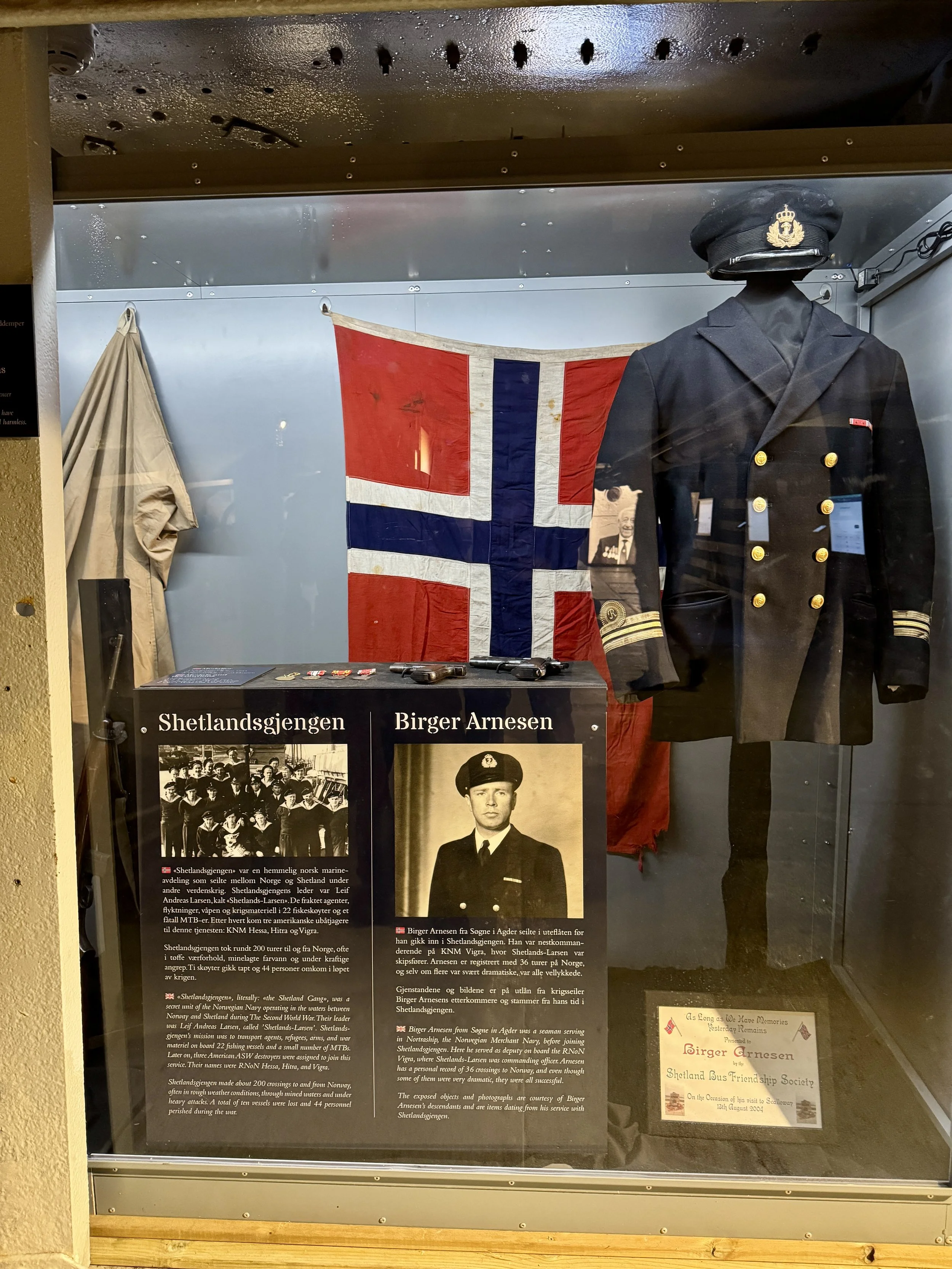
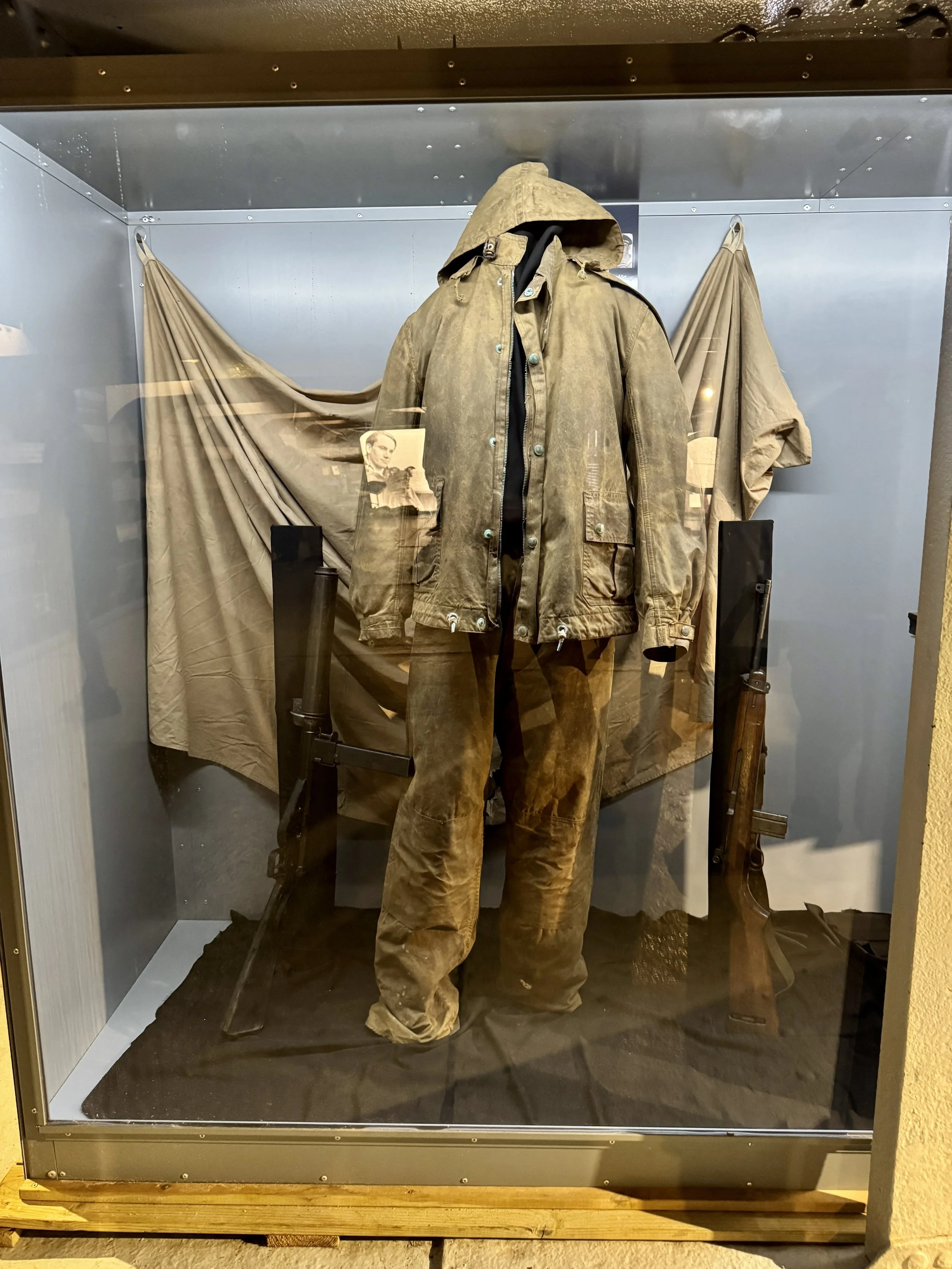
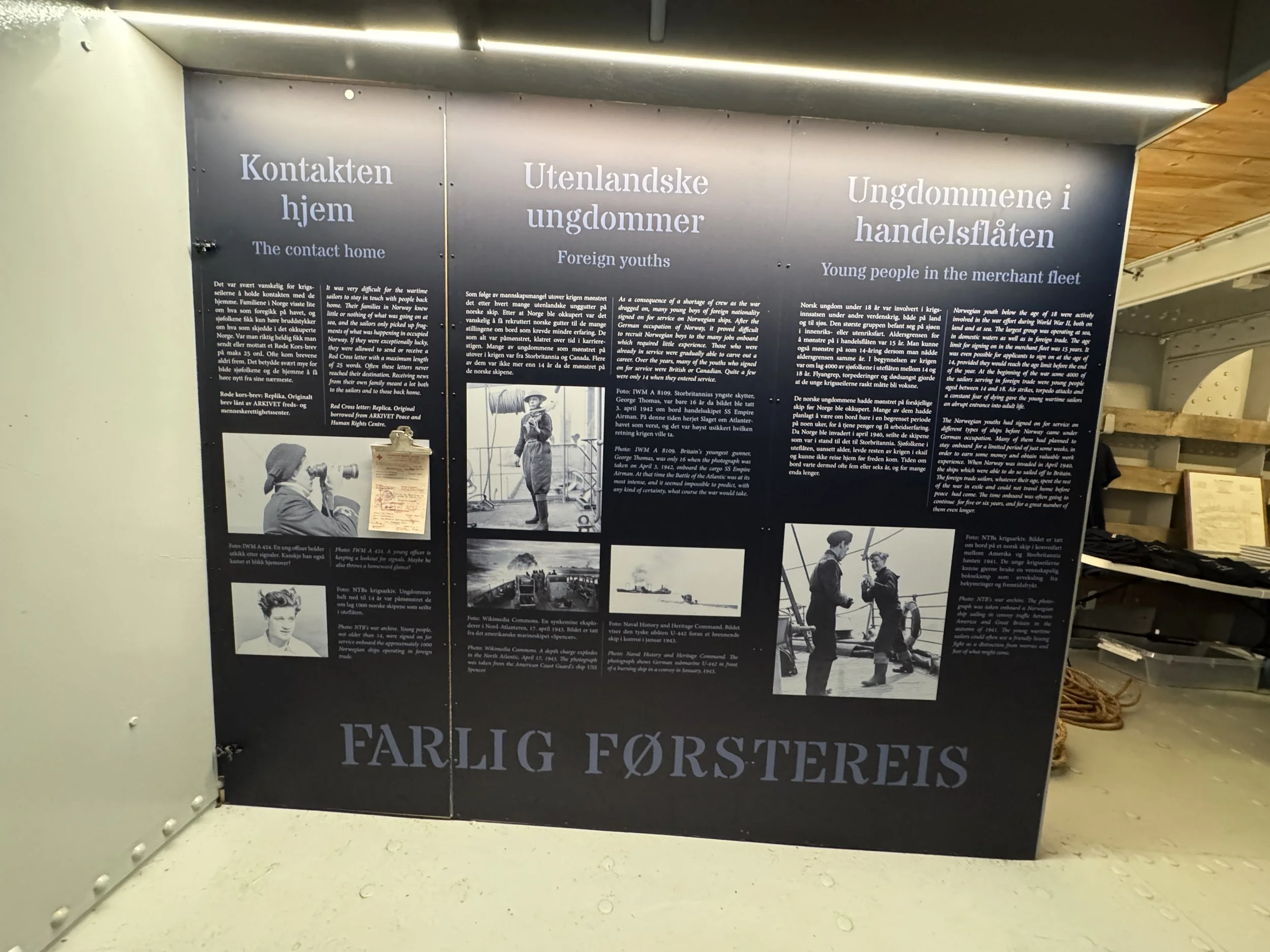
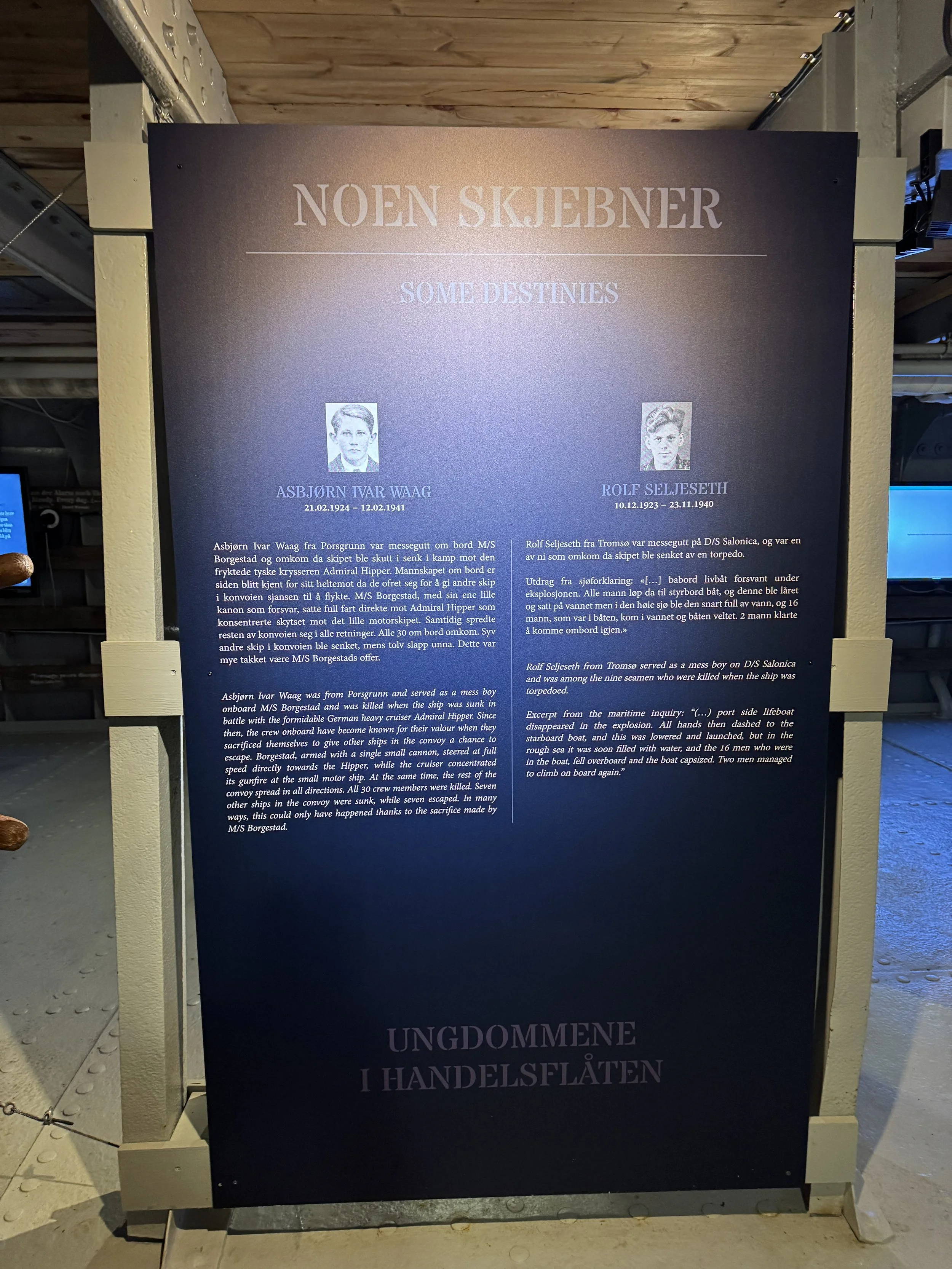
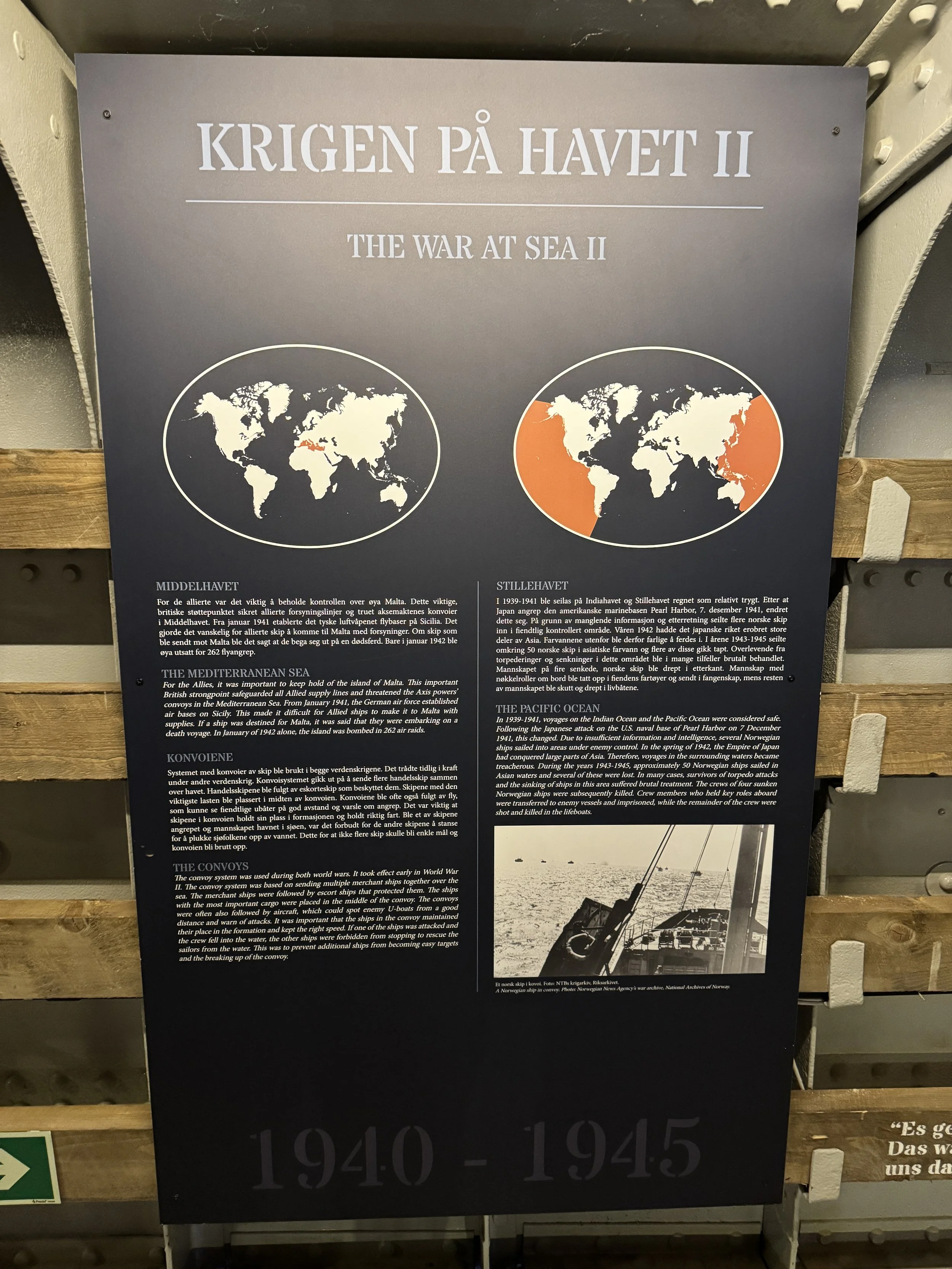
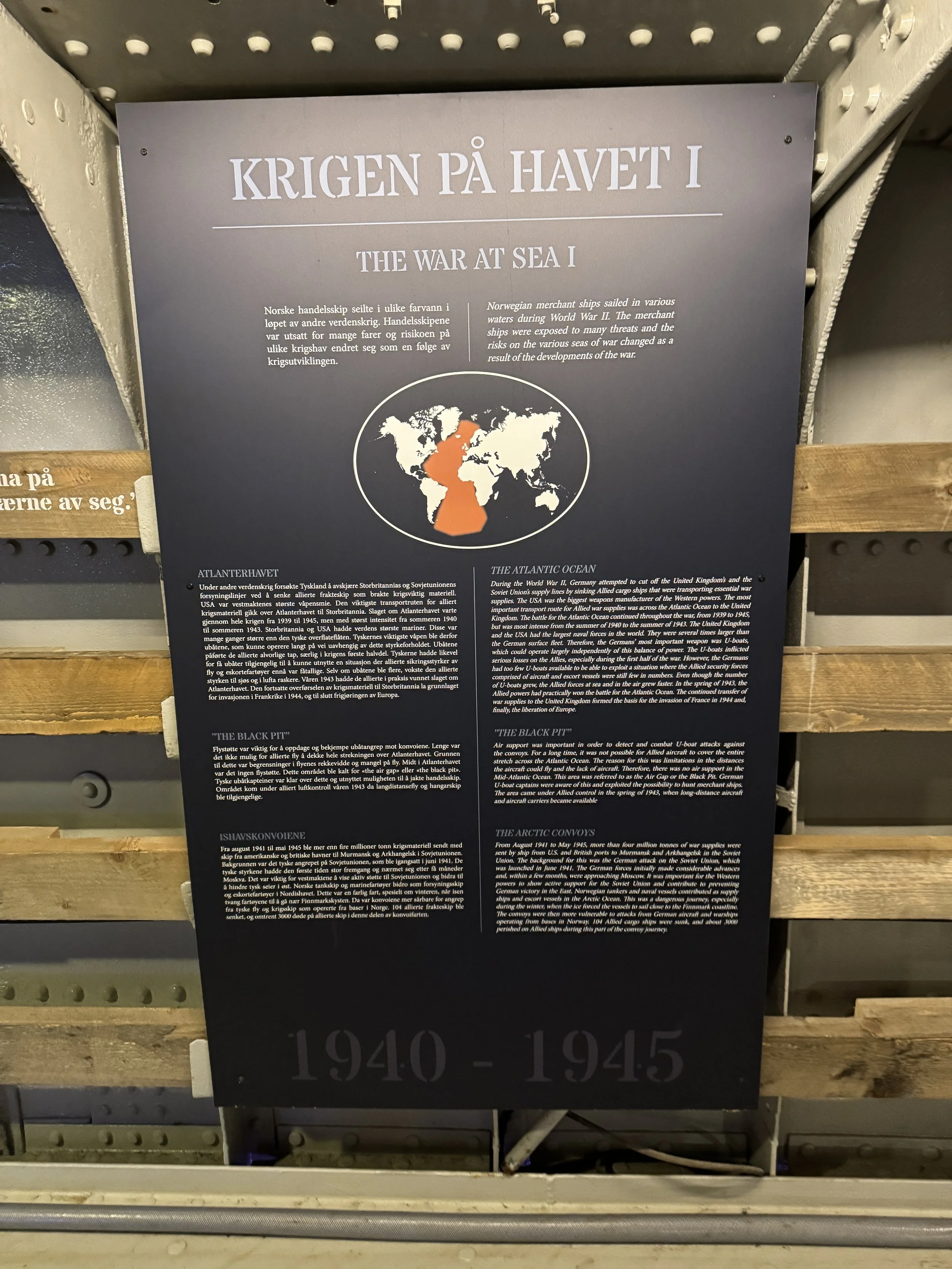
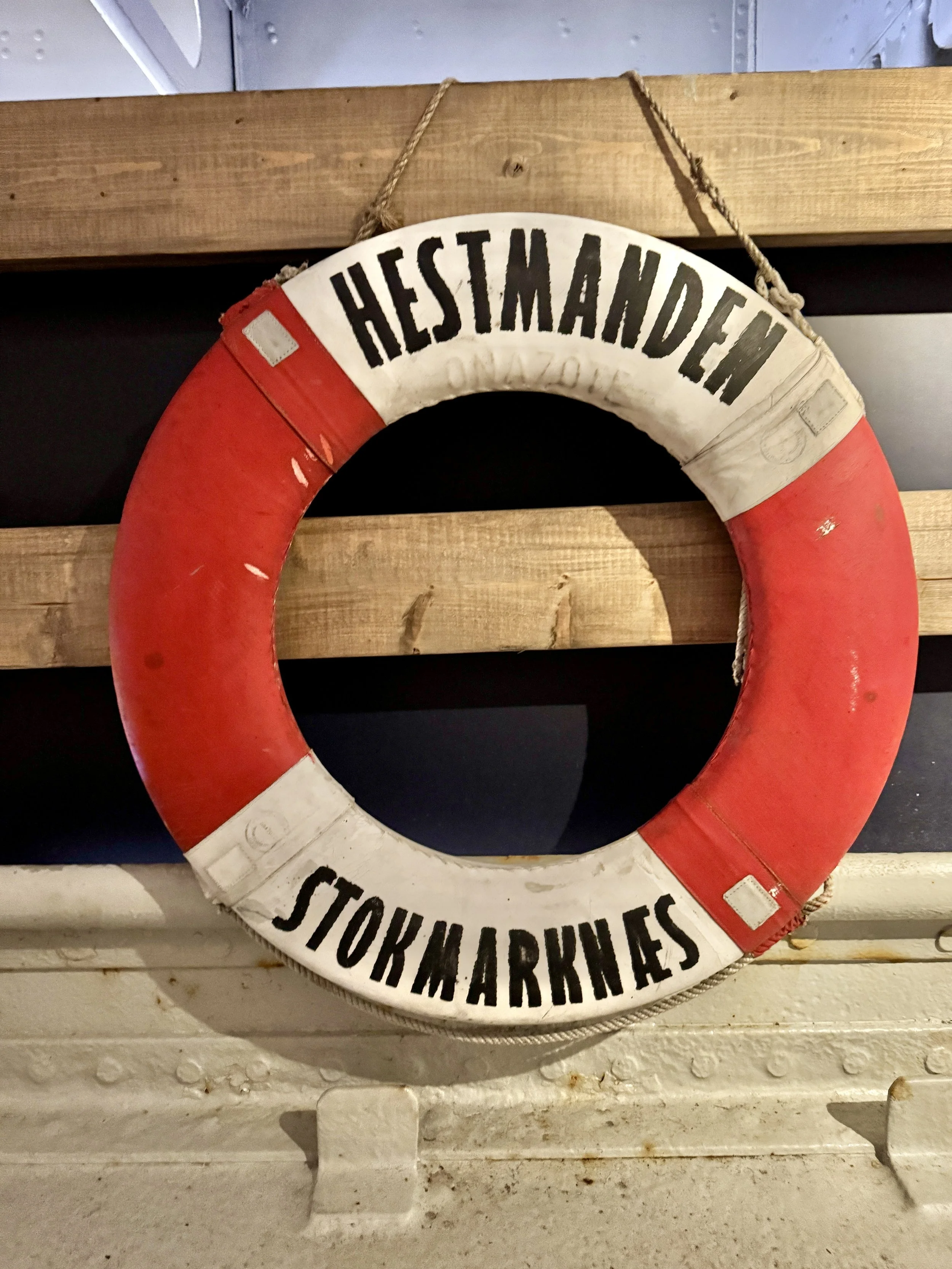
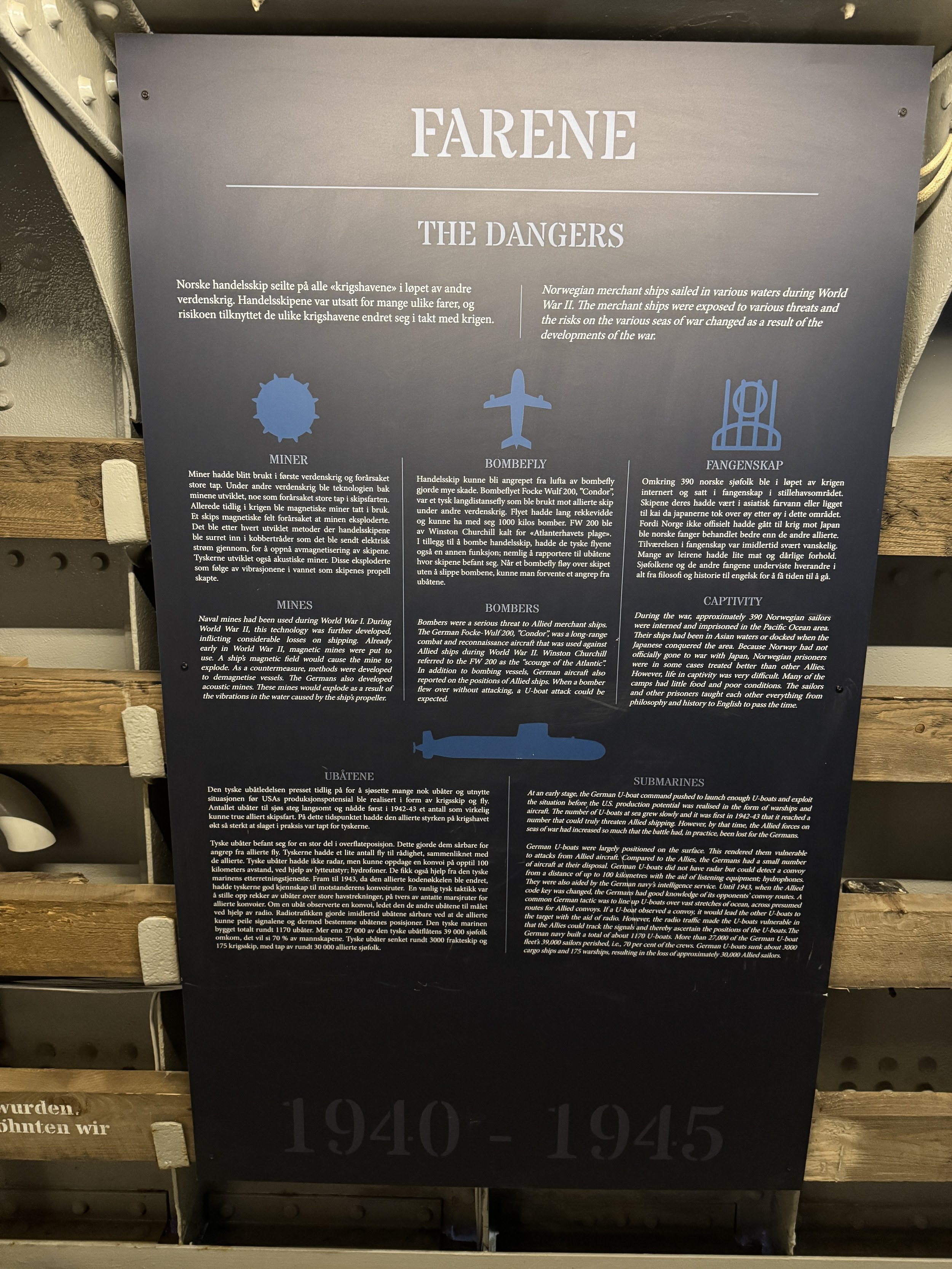
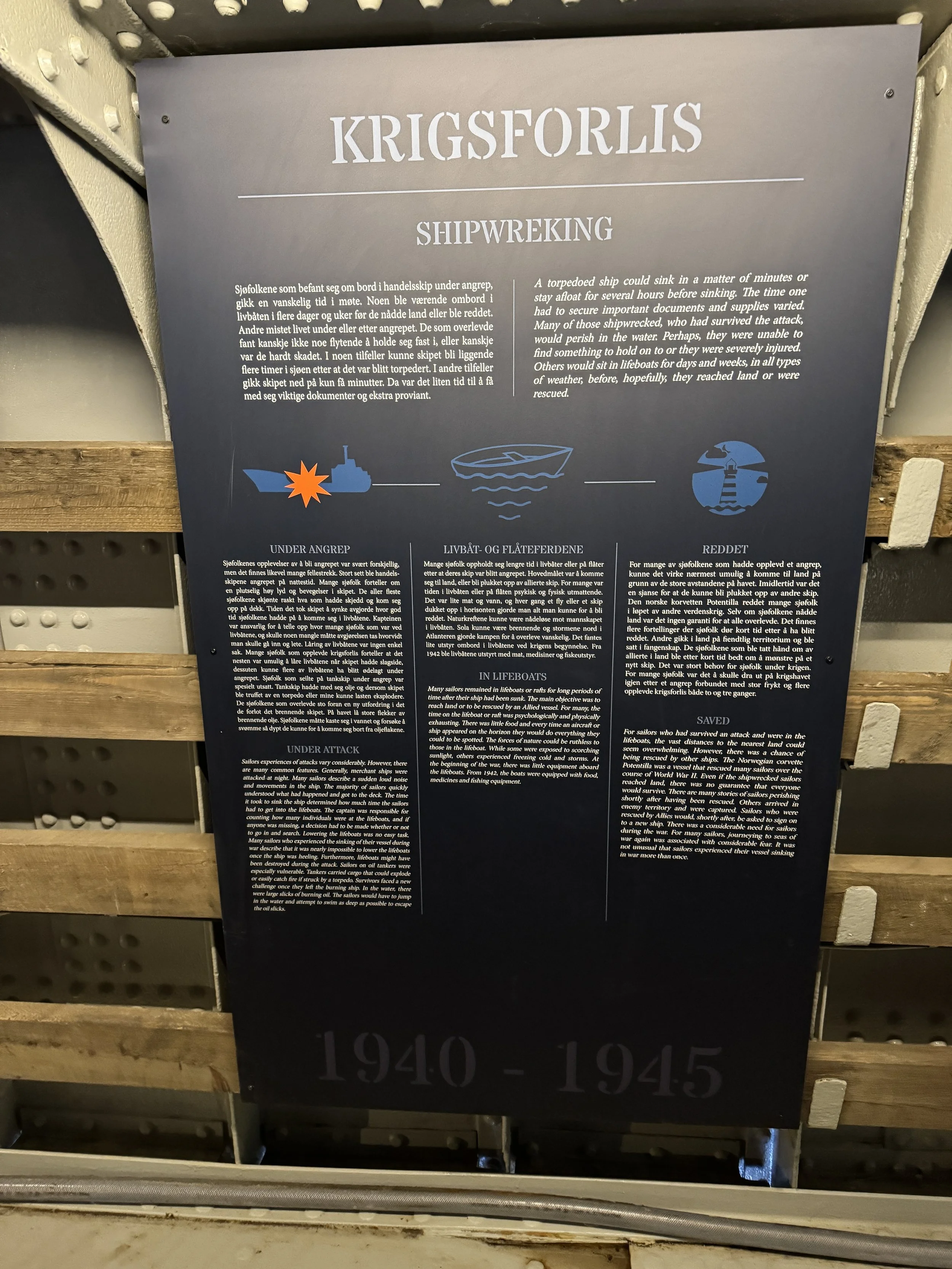
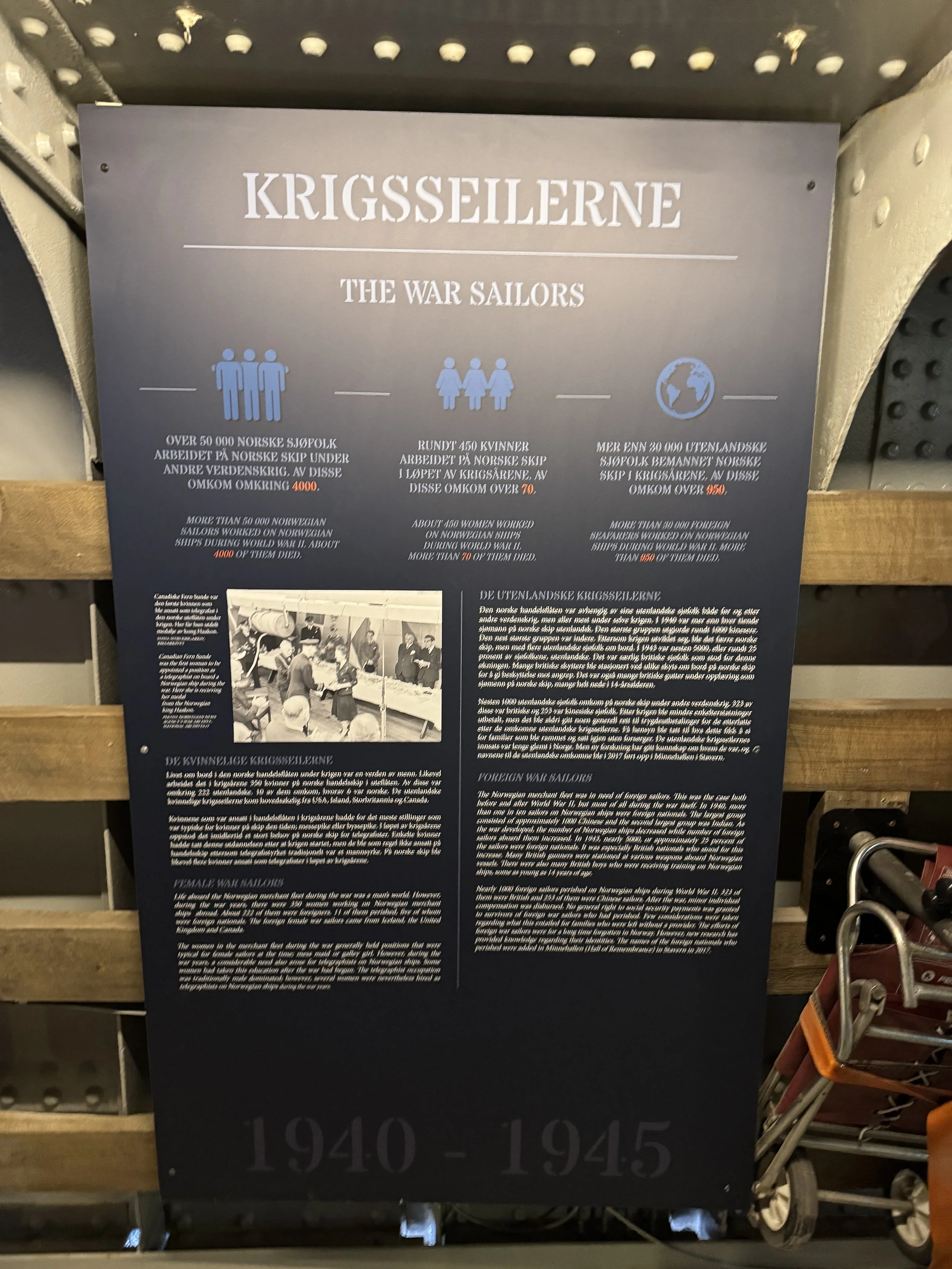
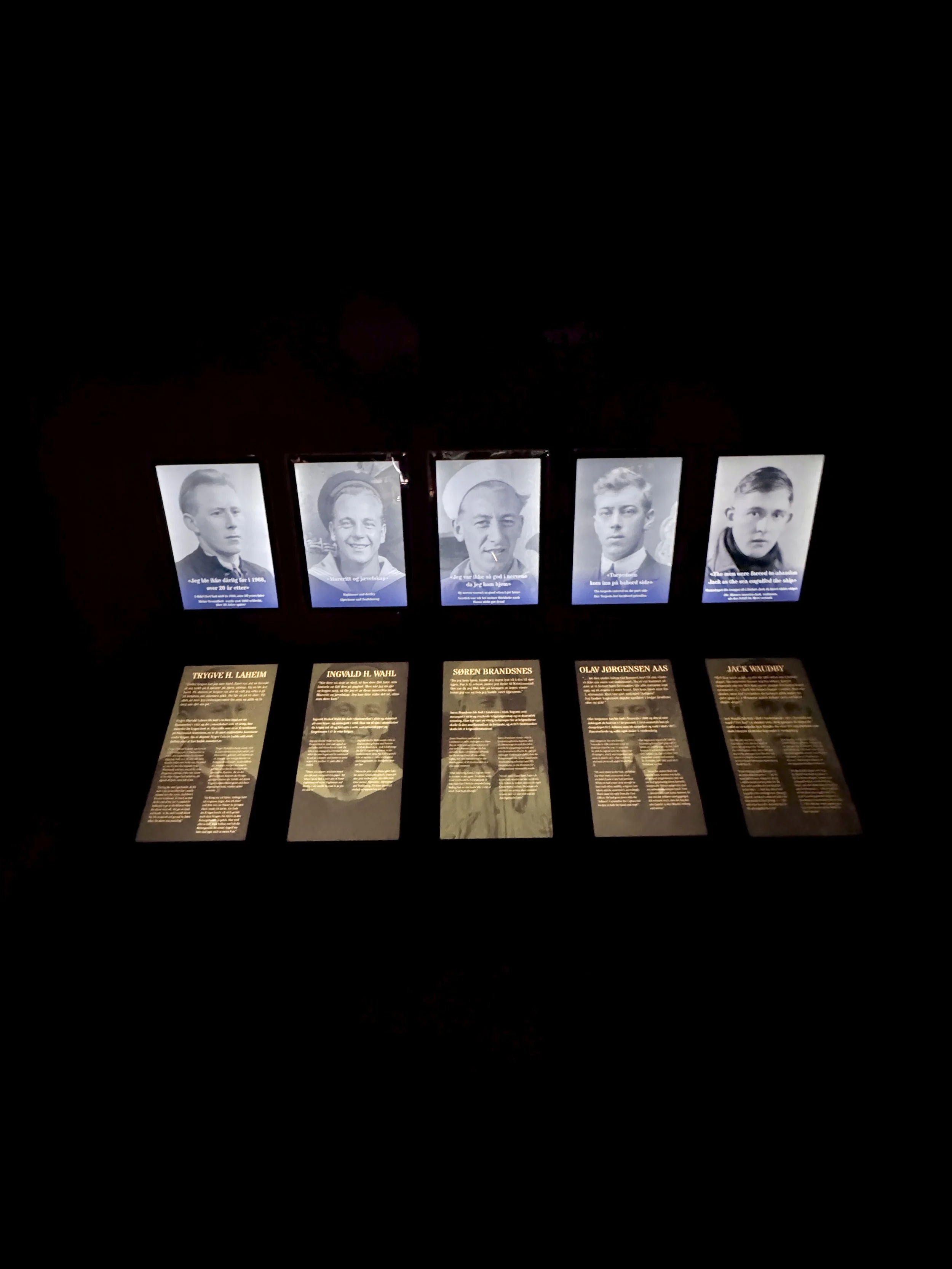
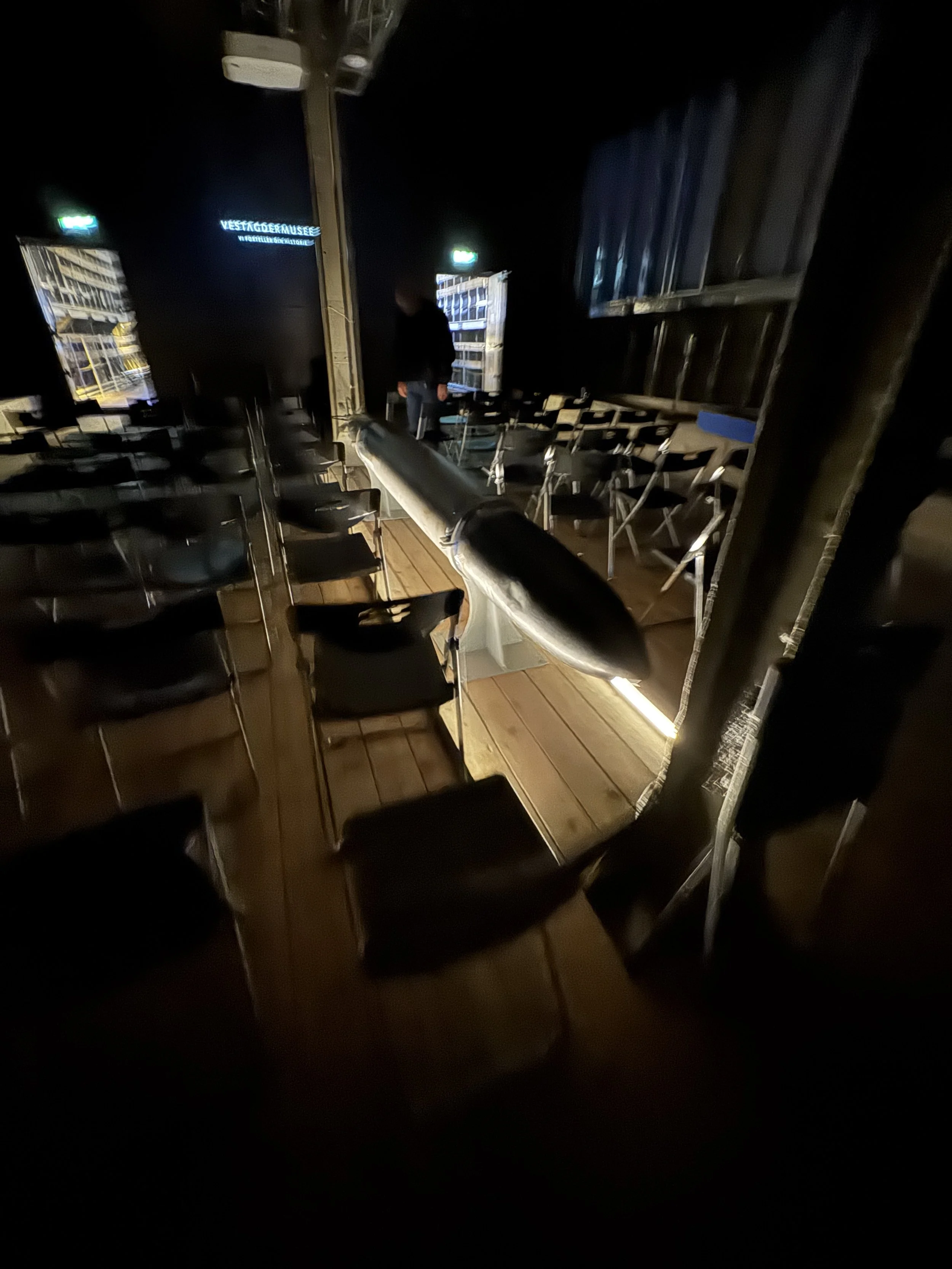
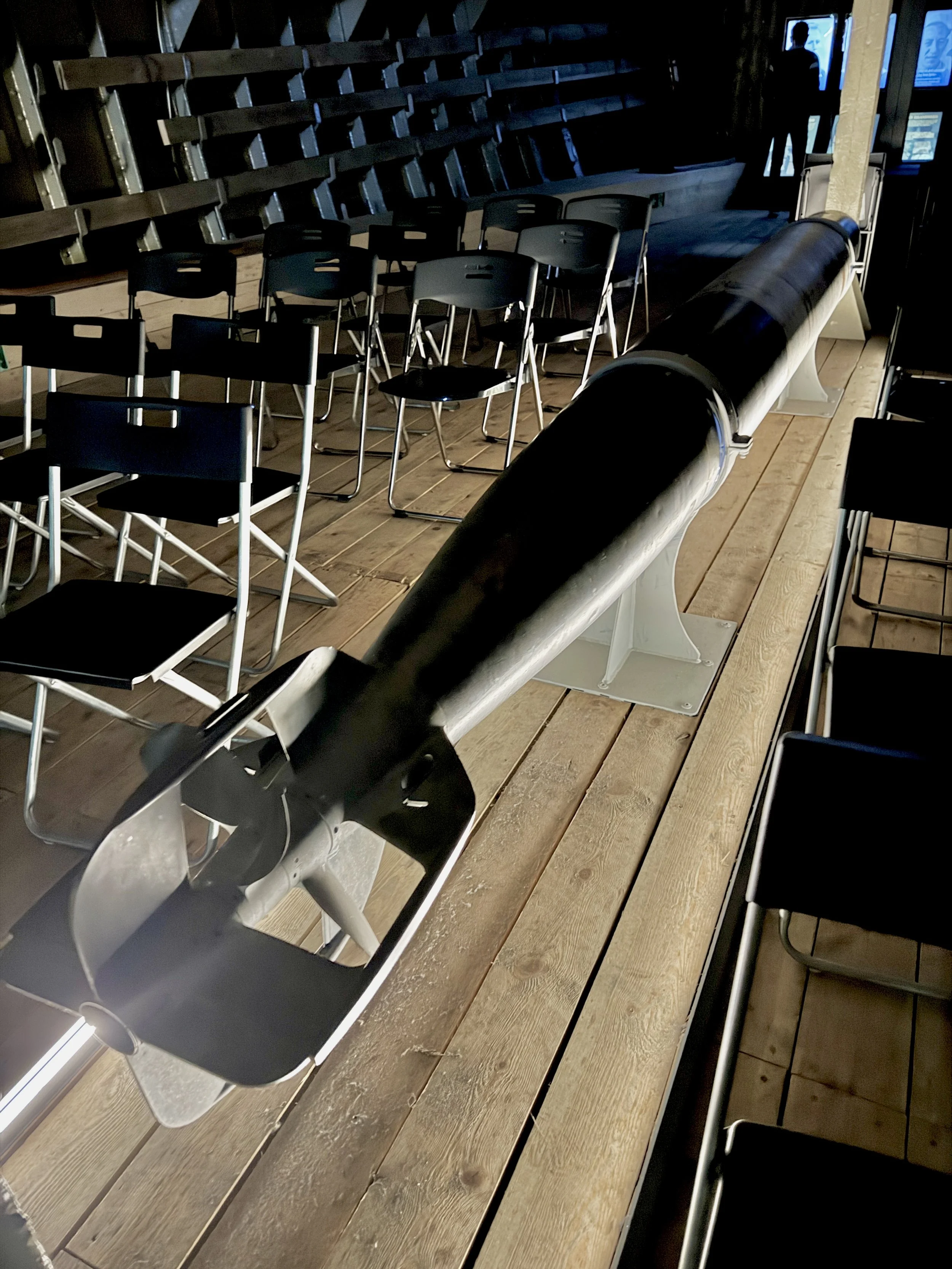
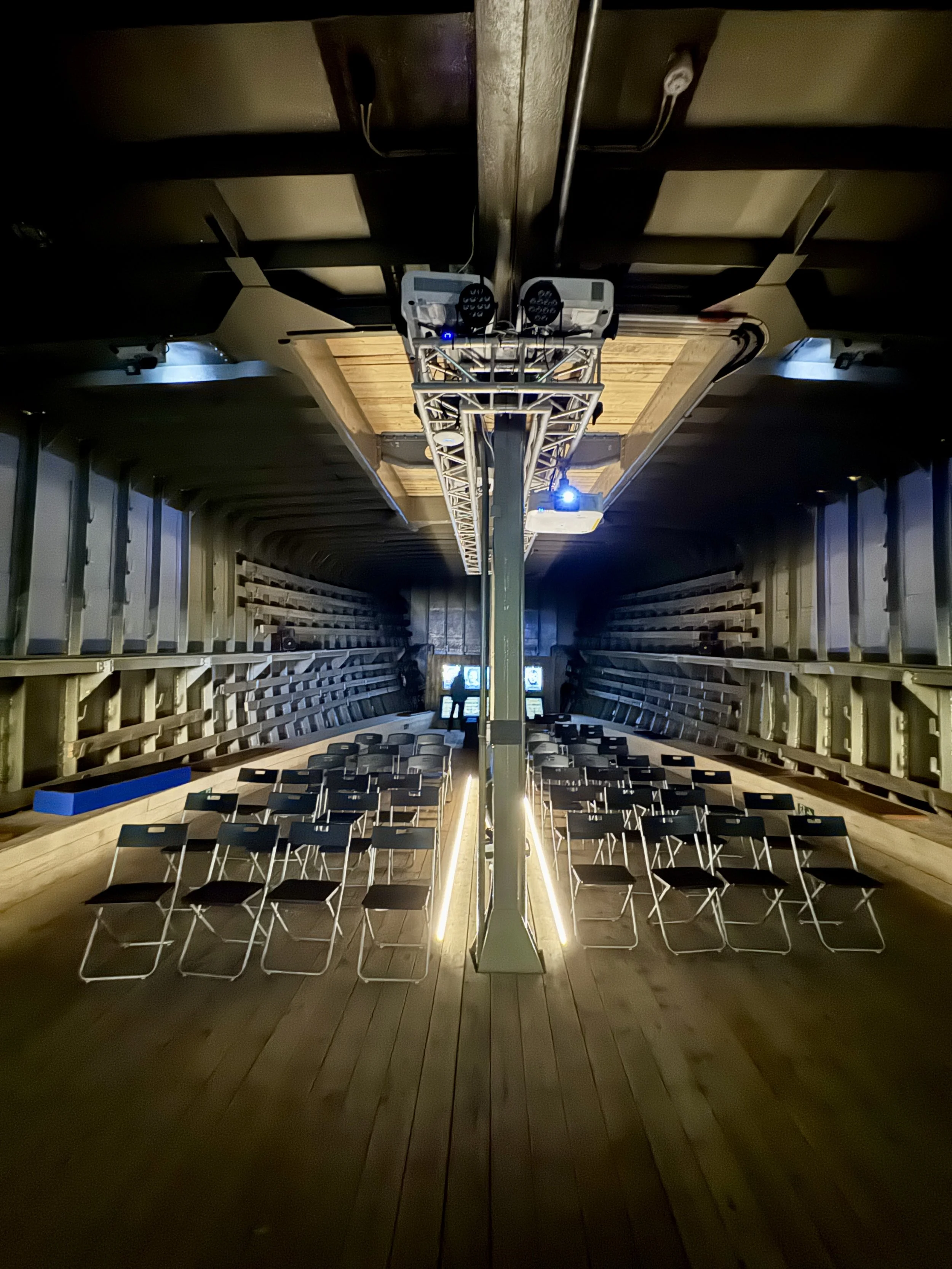
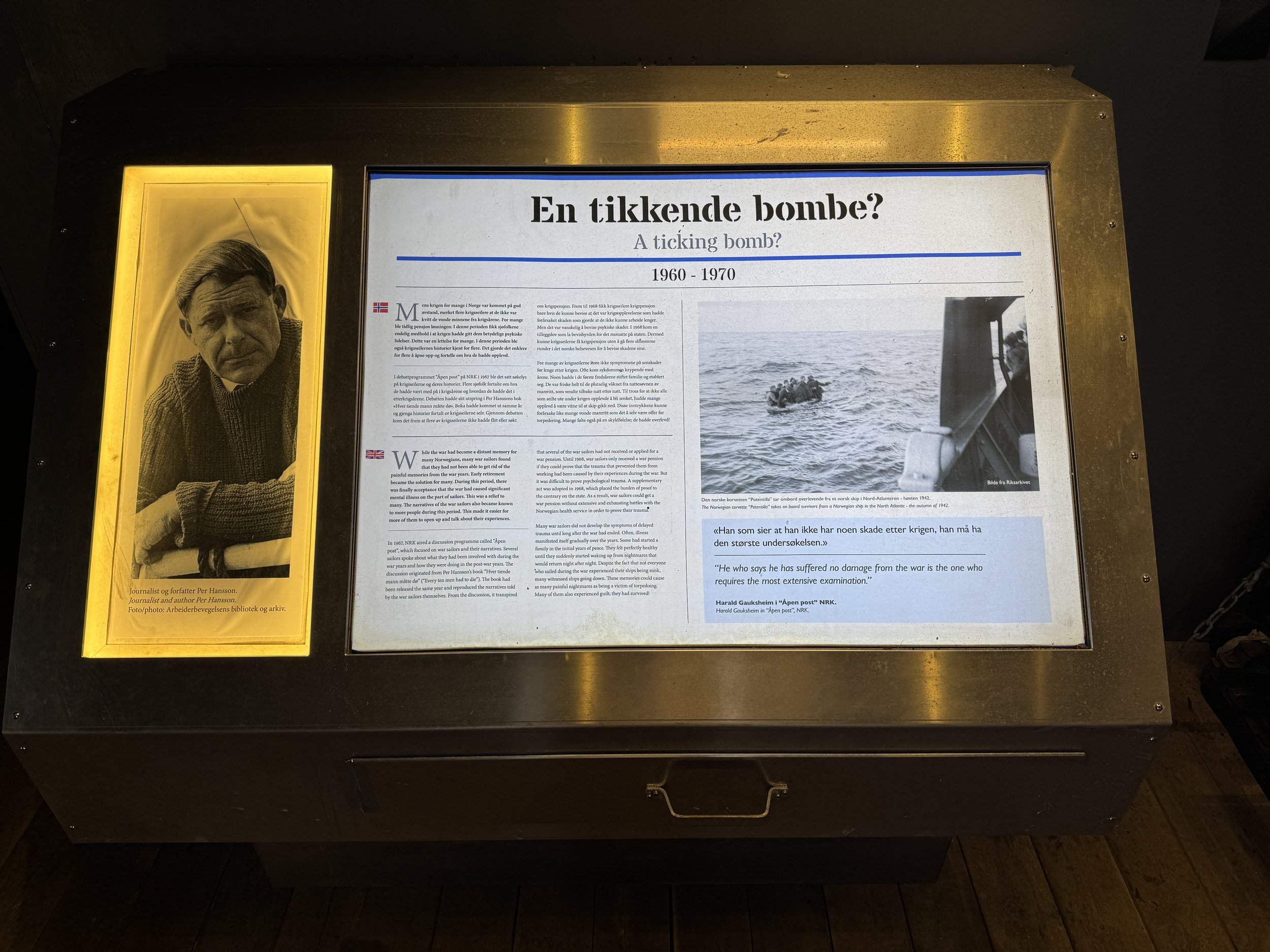
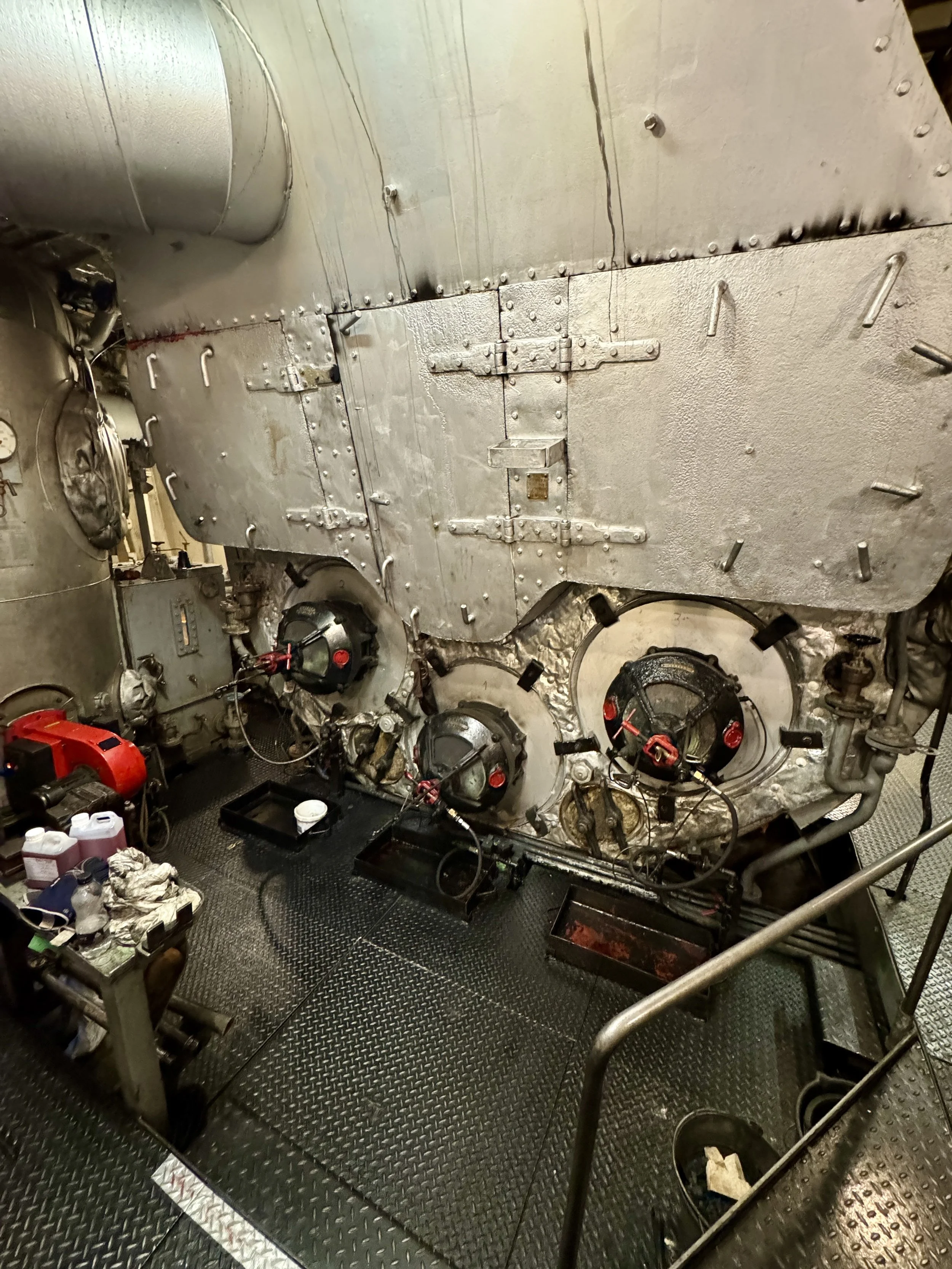
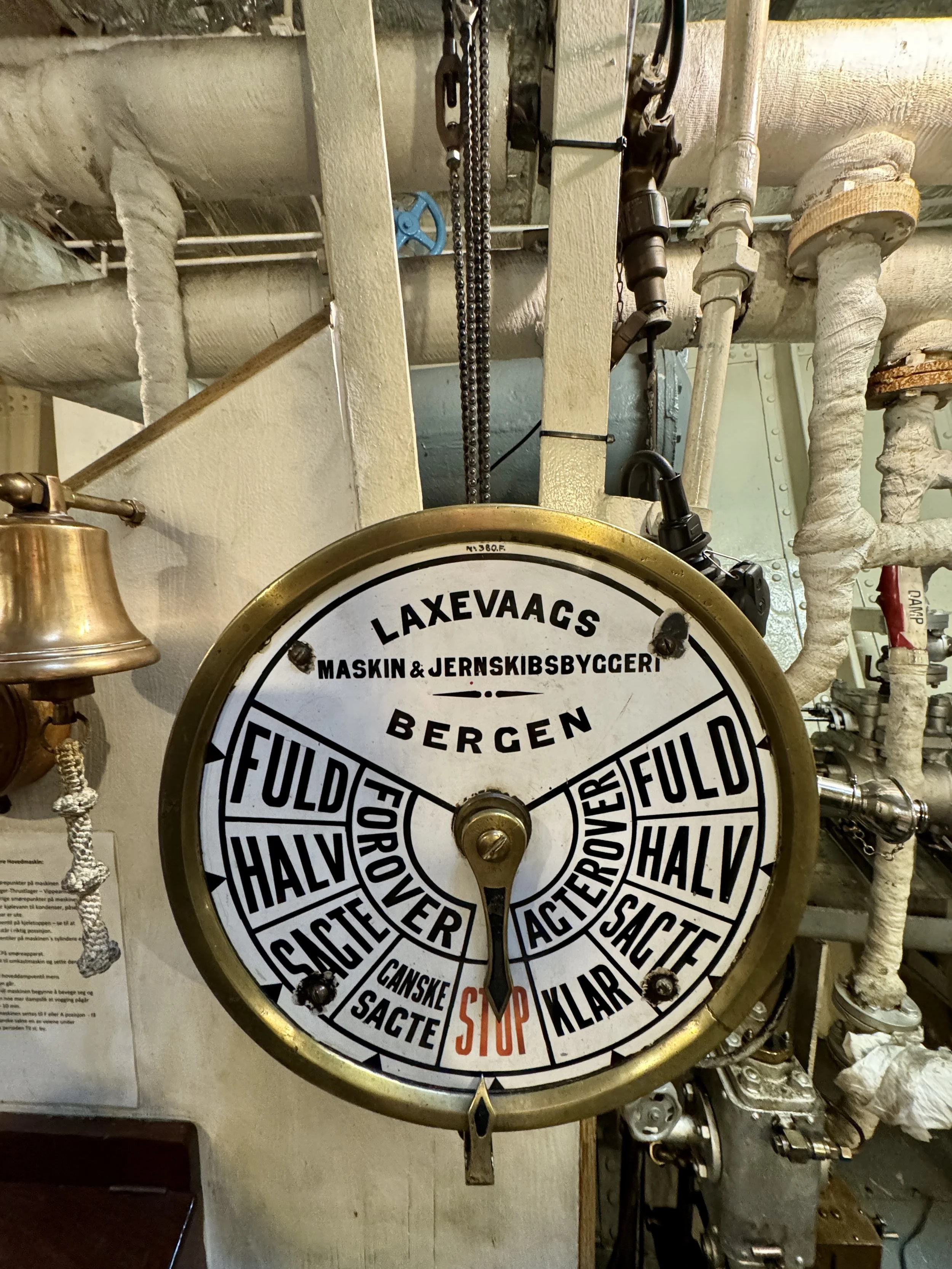
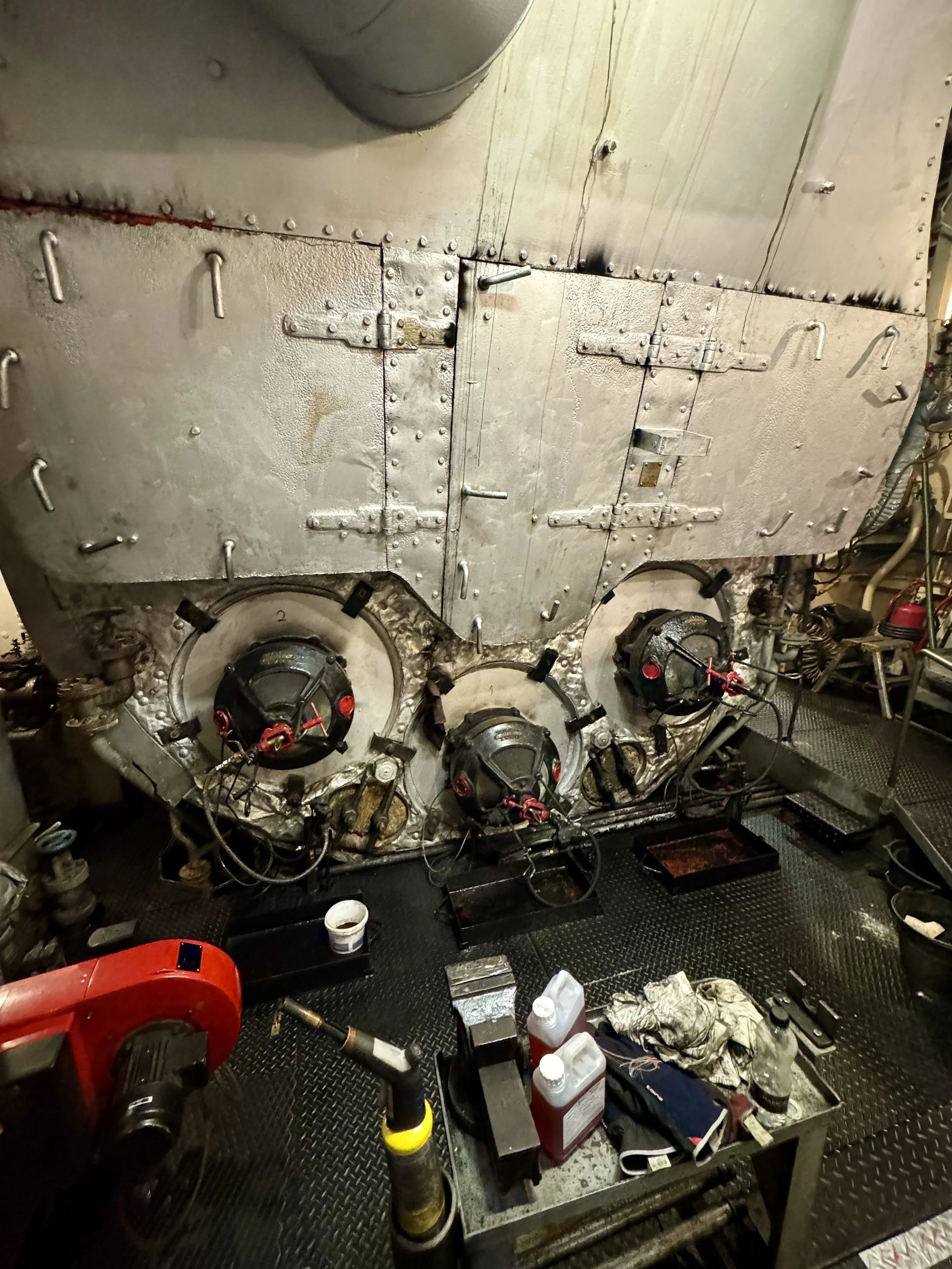
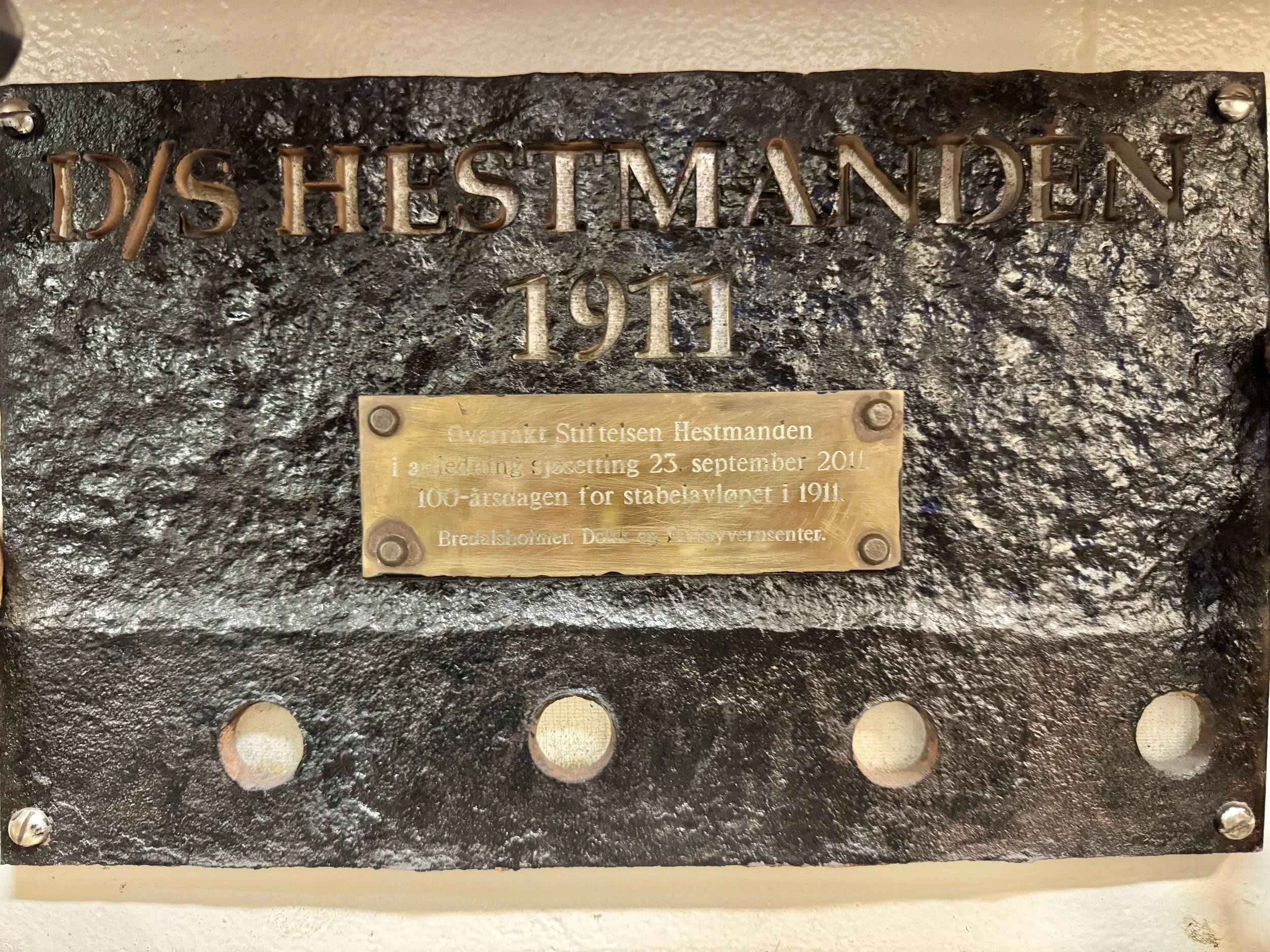
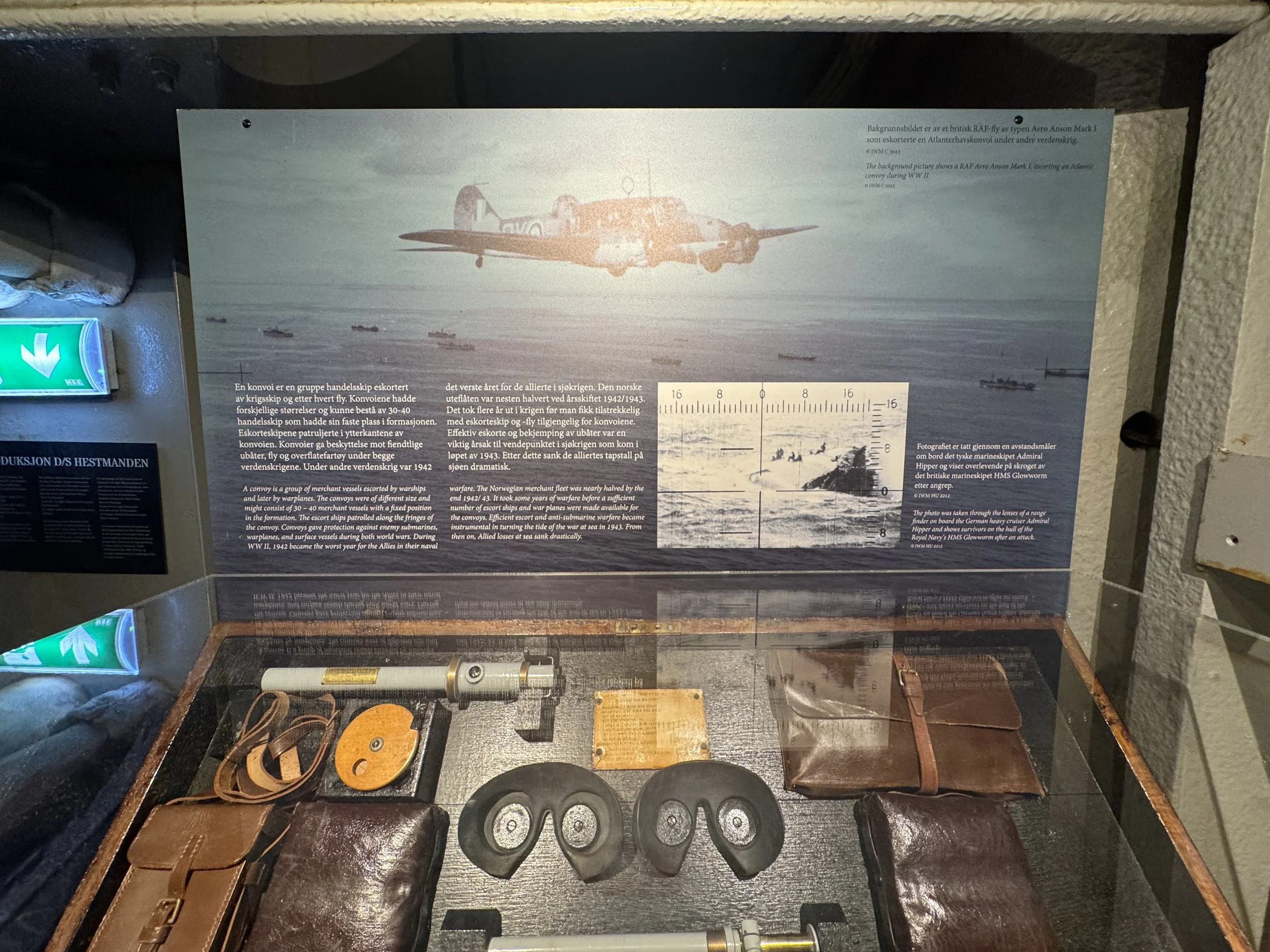
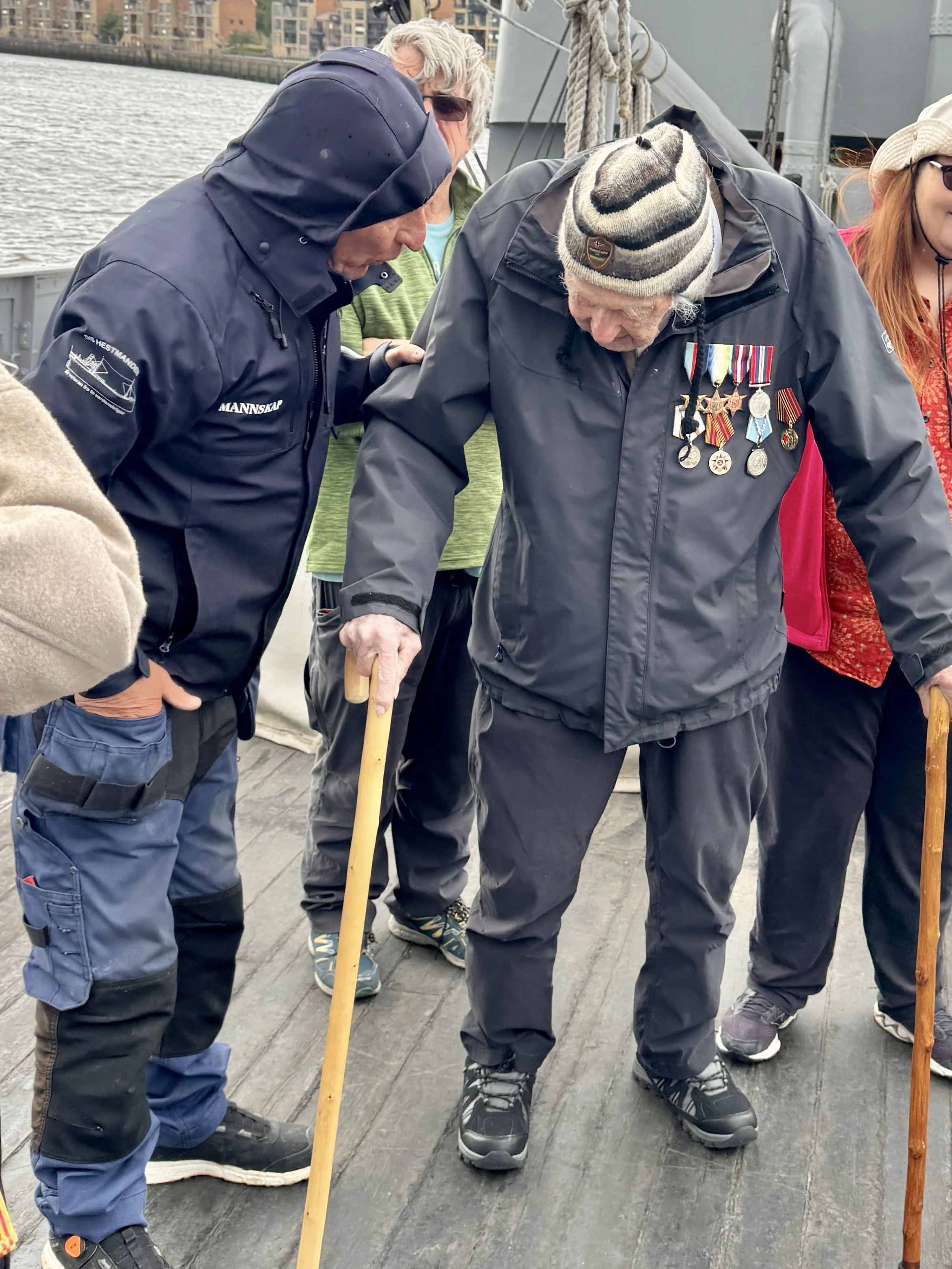
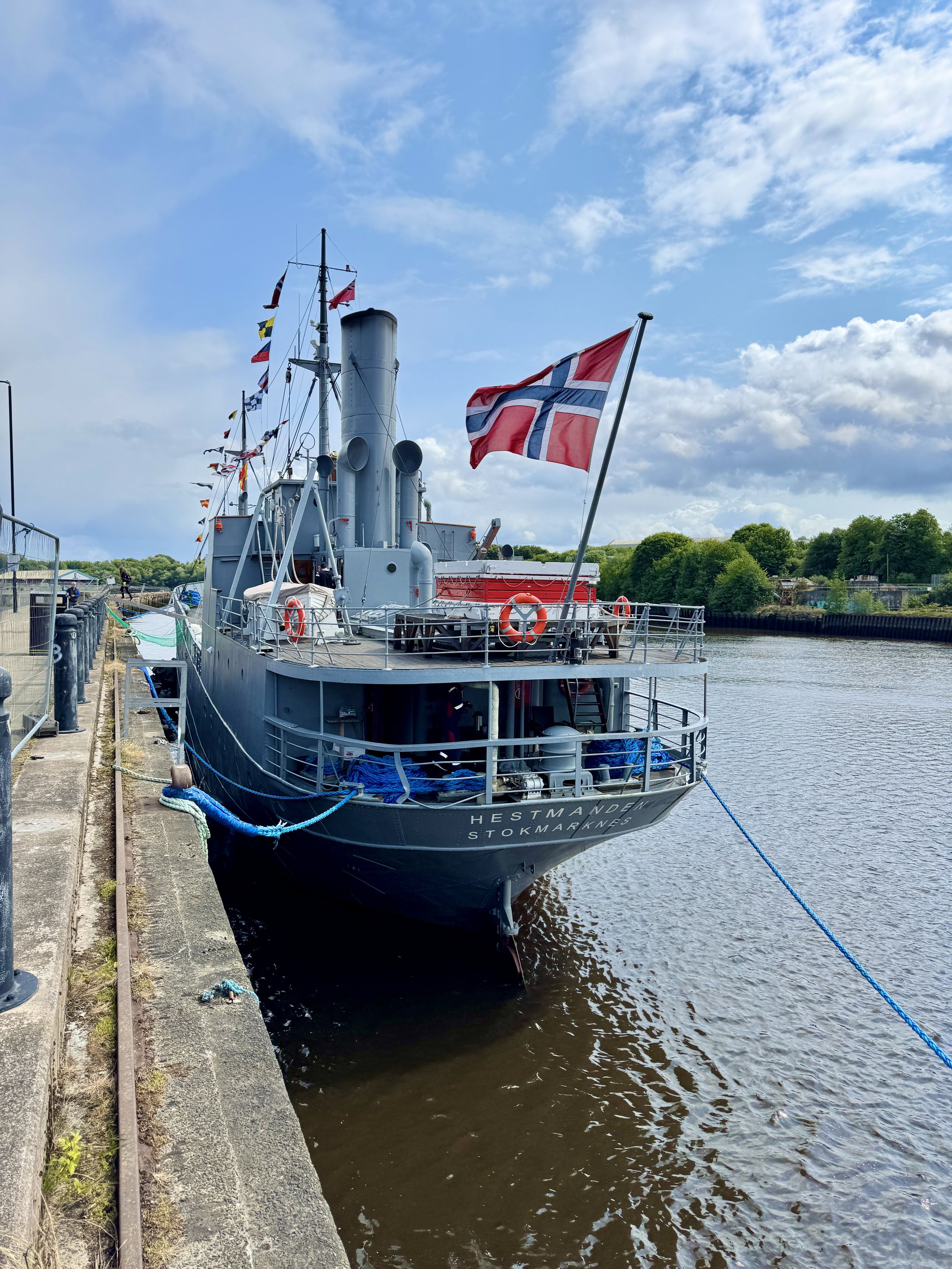
The arrival of D/S Hestmanden on the River Tyne brought an extraordinary piece of Norwegian maritime history directly into the North East. Built in 1911, Hestmanden survived service through both world wars and today operates as the Norwegian War Sailors Museum, preserving the stories of the sailors whose work at sea was essential to the Allied effort. Its visit formed part of the Liberation Convoy, commemorating 80 years of peace and recognising the deep historical connections between Norway and the United Kingdom. Seeing a vessel with such an extraordinary history berthed on the Tyne was also a powerful reminder that the heritage of our region has never developed in isolation. The river, its industries, communities and maritime traditions have always been shaped by people, journeys and stories travelling between places.
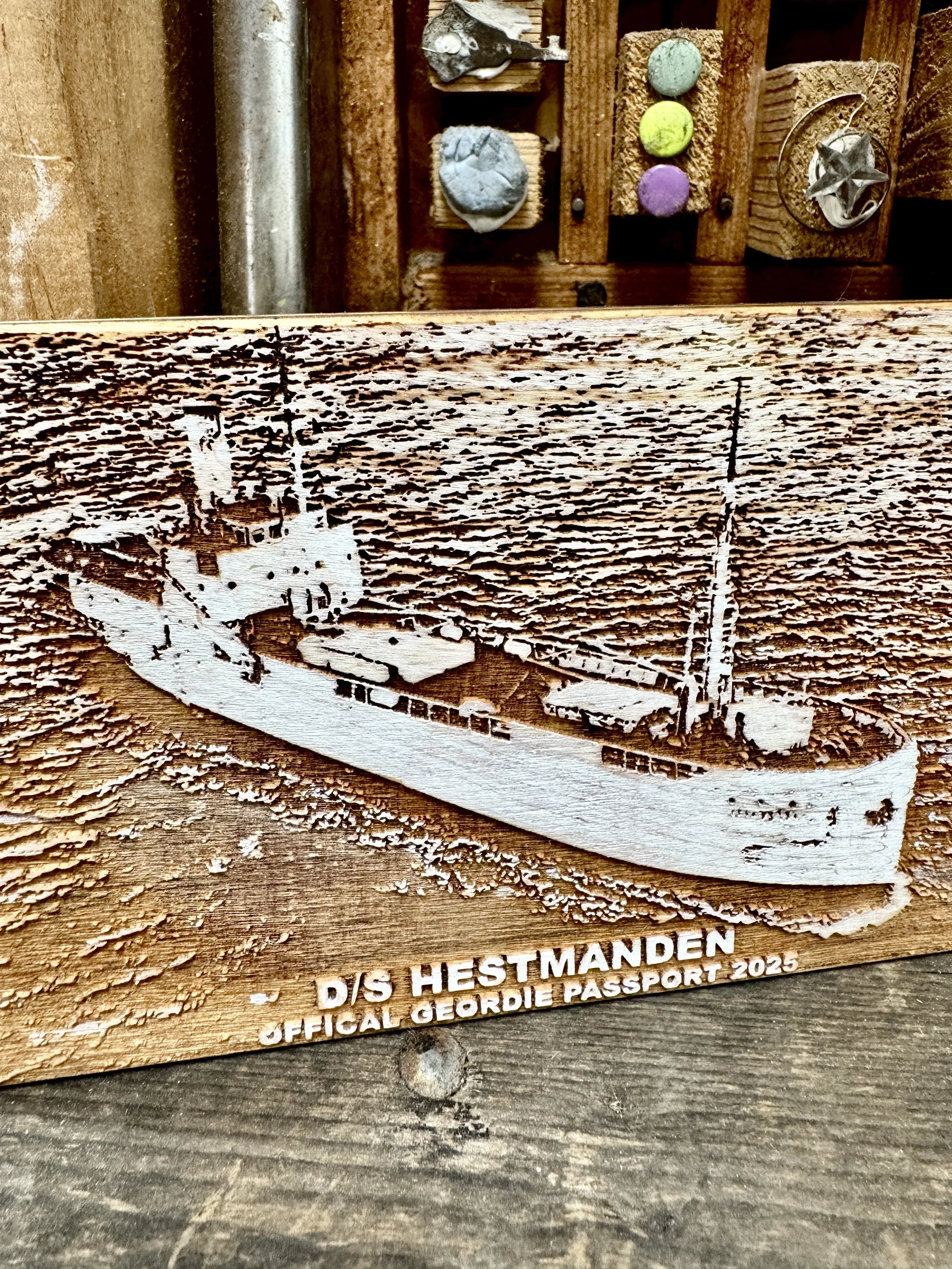
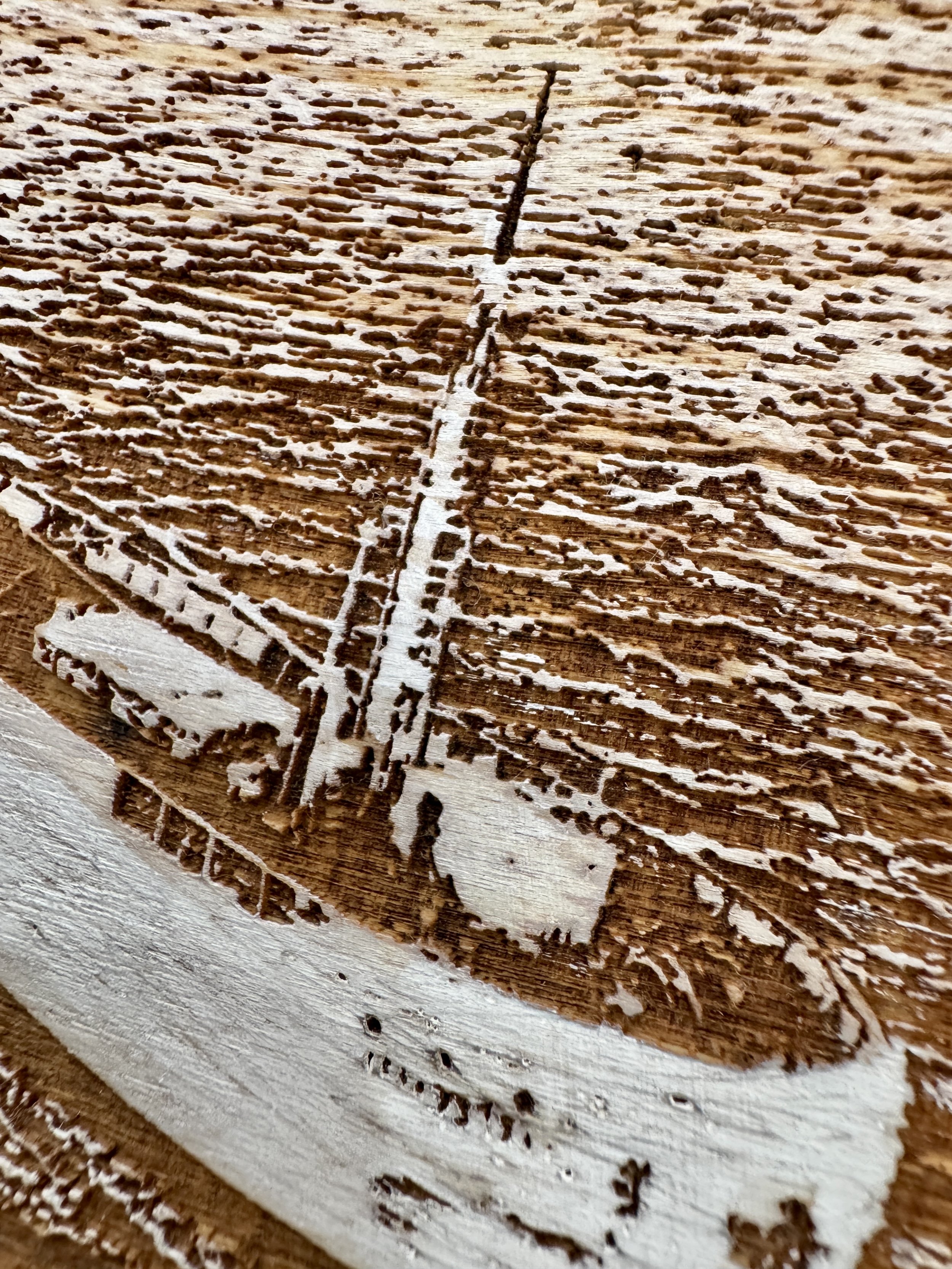
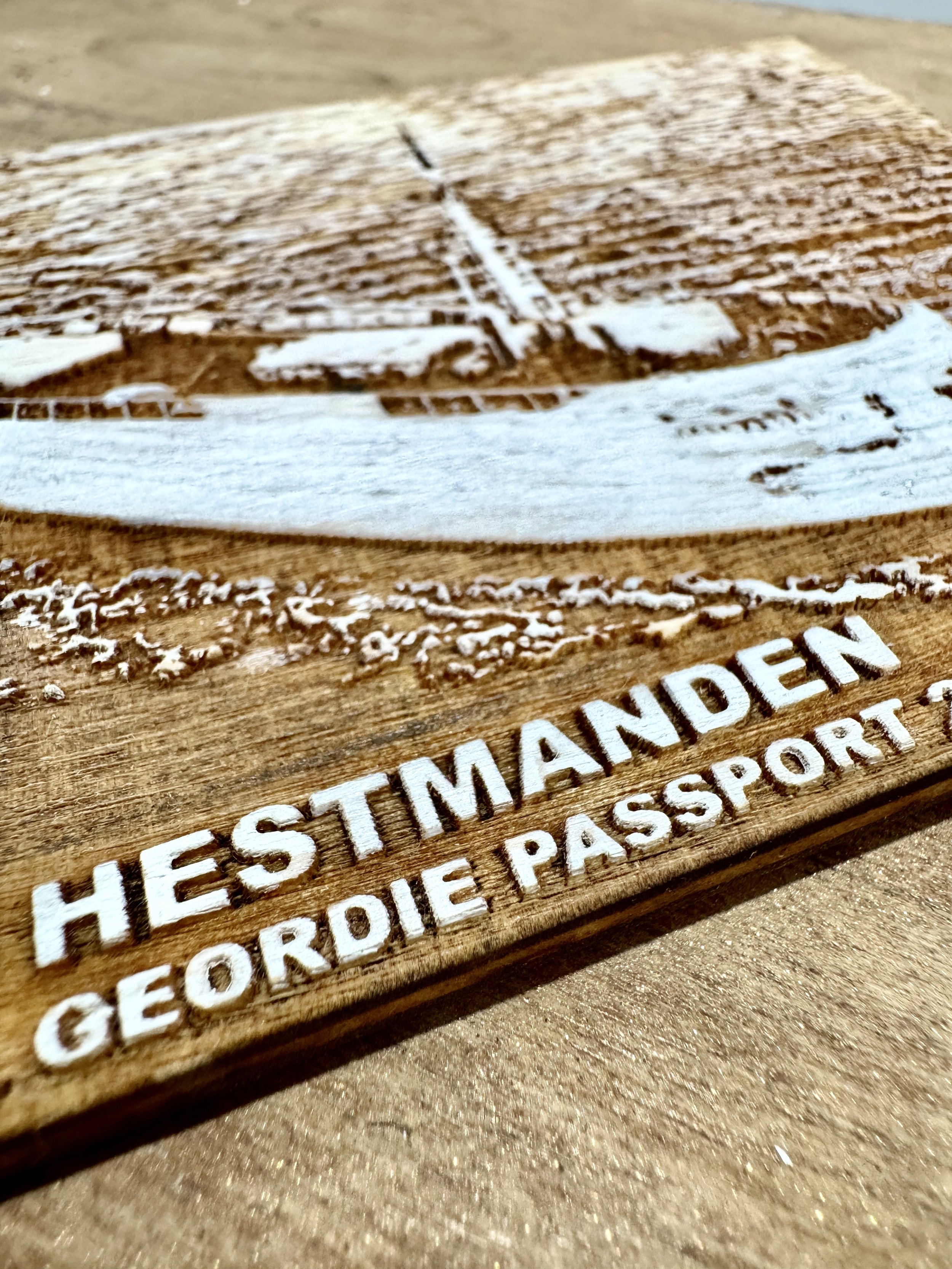
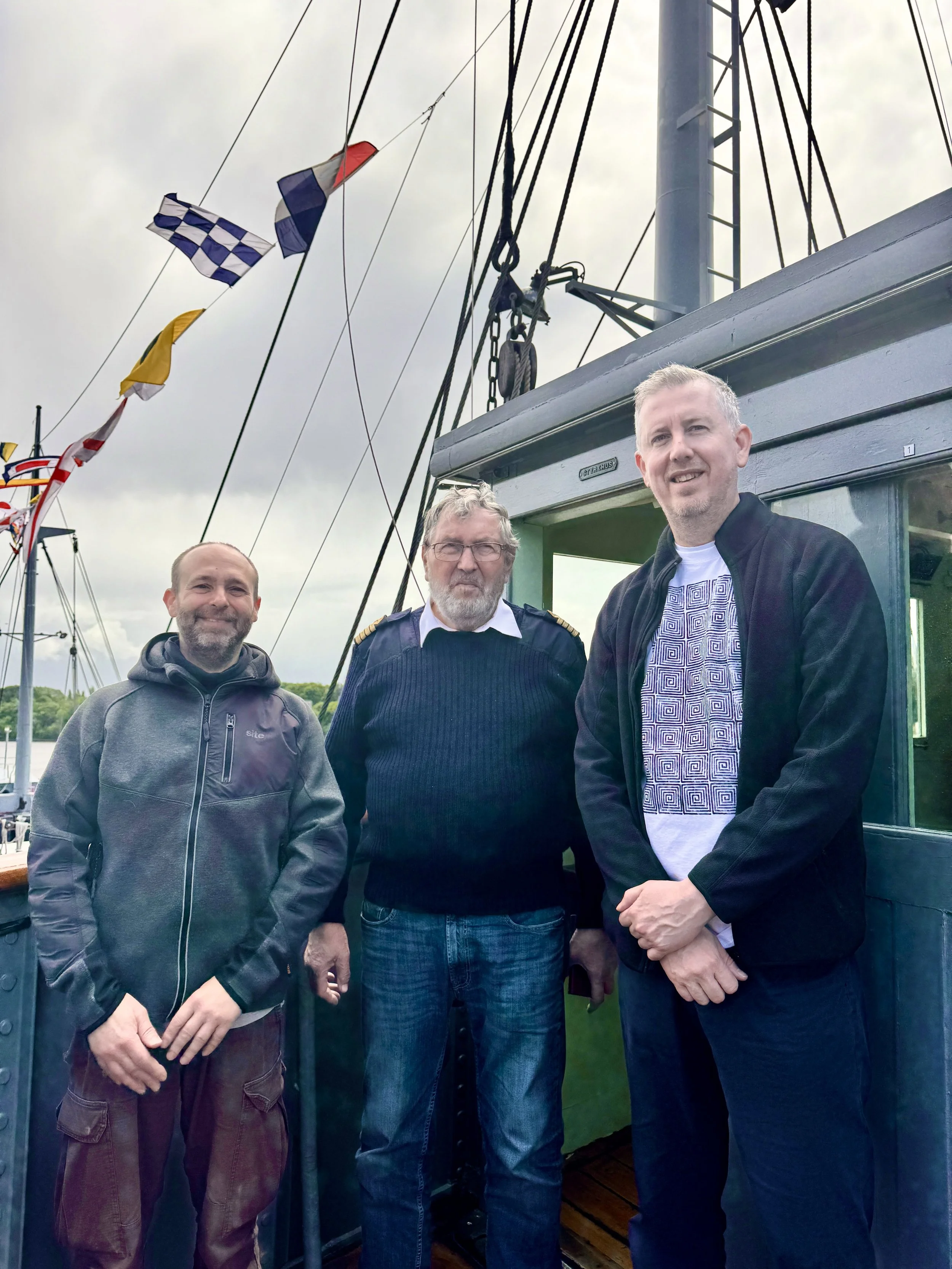
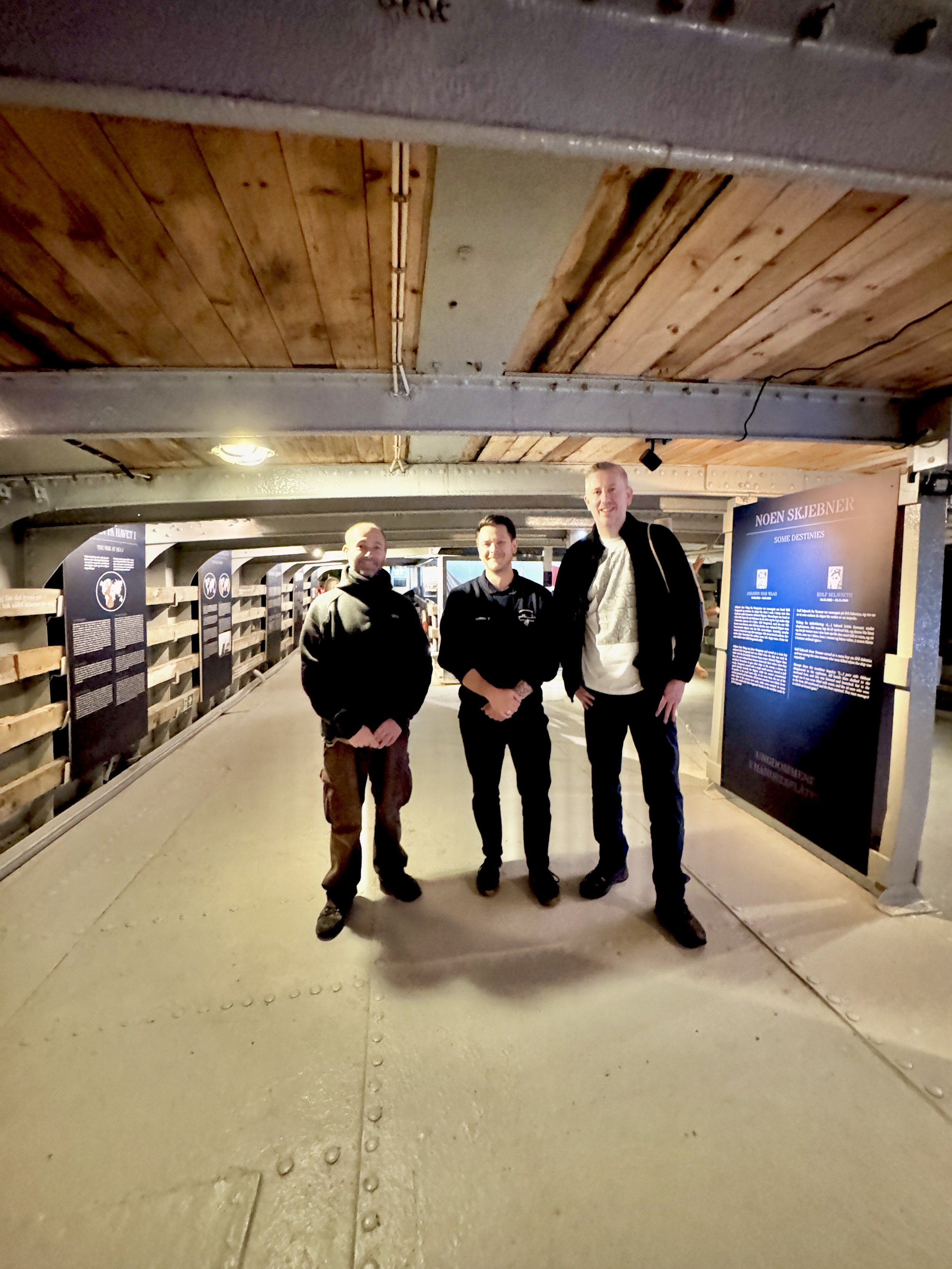
Orbis Community wanted to respond to the visit in a simple but personal way, creating artwork as a thank you to the captain and crew for bringing their history to the region and sharing it so openly with local people. Alongside an engraved artwork, we created an unofficial “Geordie Passport”, a deliberately playful welcome for a crew who had arrived carrying their own remarkable cultural and maritime heritage onto a river equally steeped in history. The pieces were presented to the captain and crew during the visit, turning what began as a creative gesture into an exchange between two places connected by the North Sea and by generations of maritime experience.
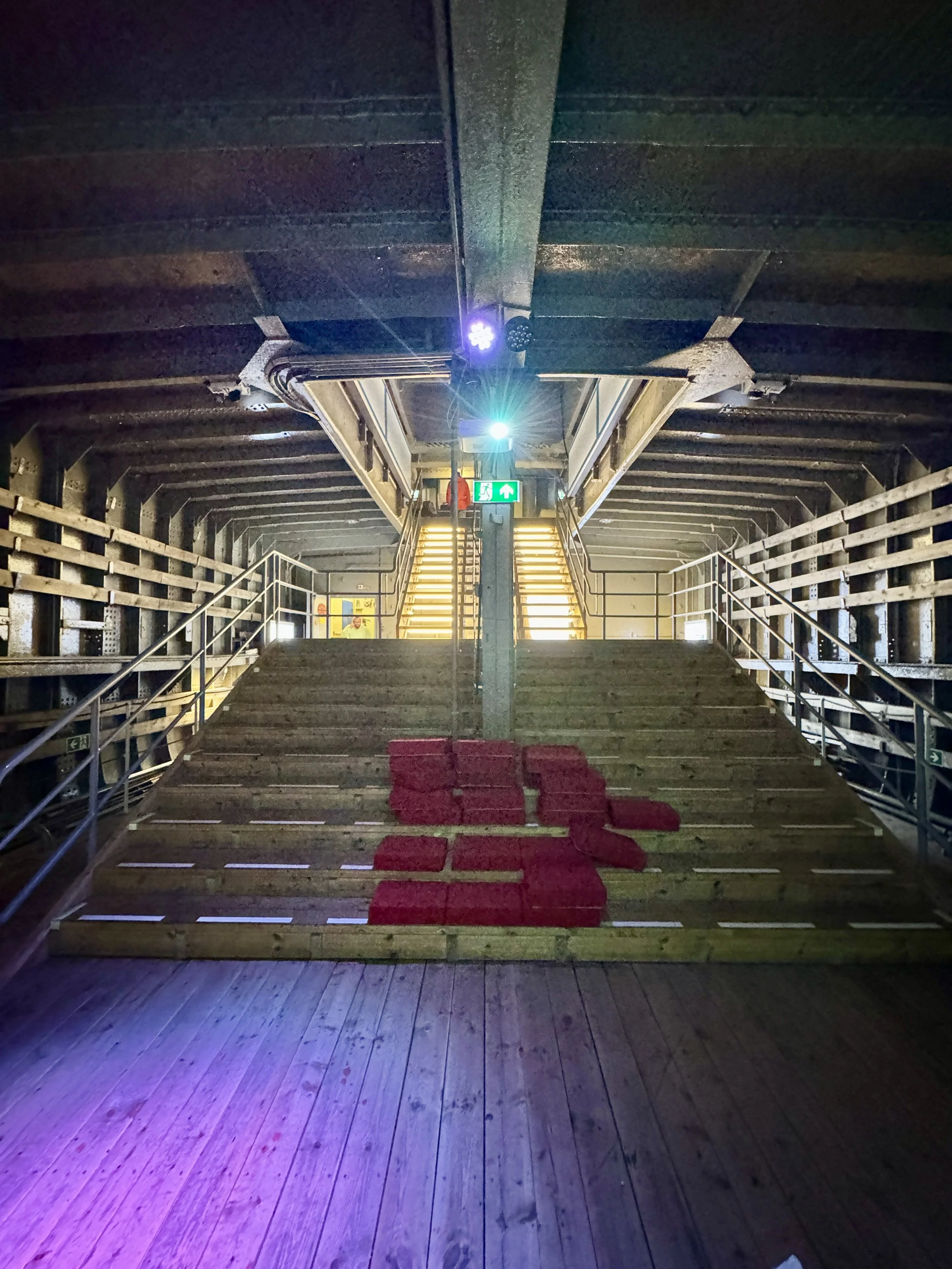
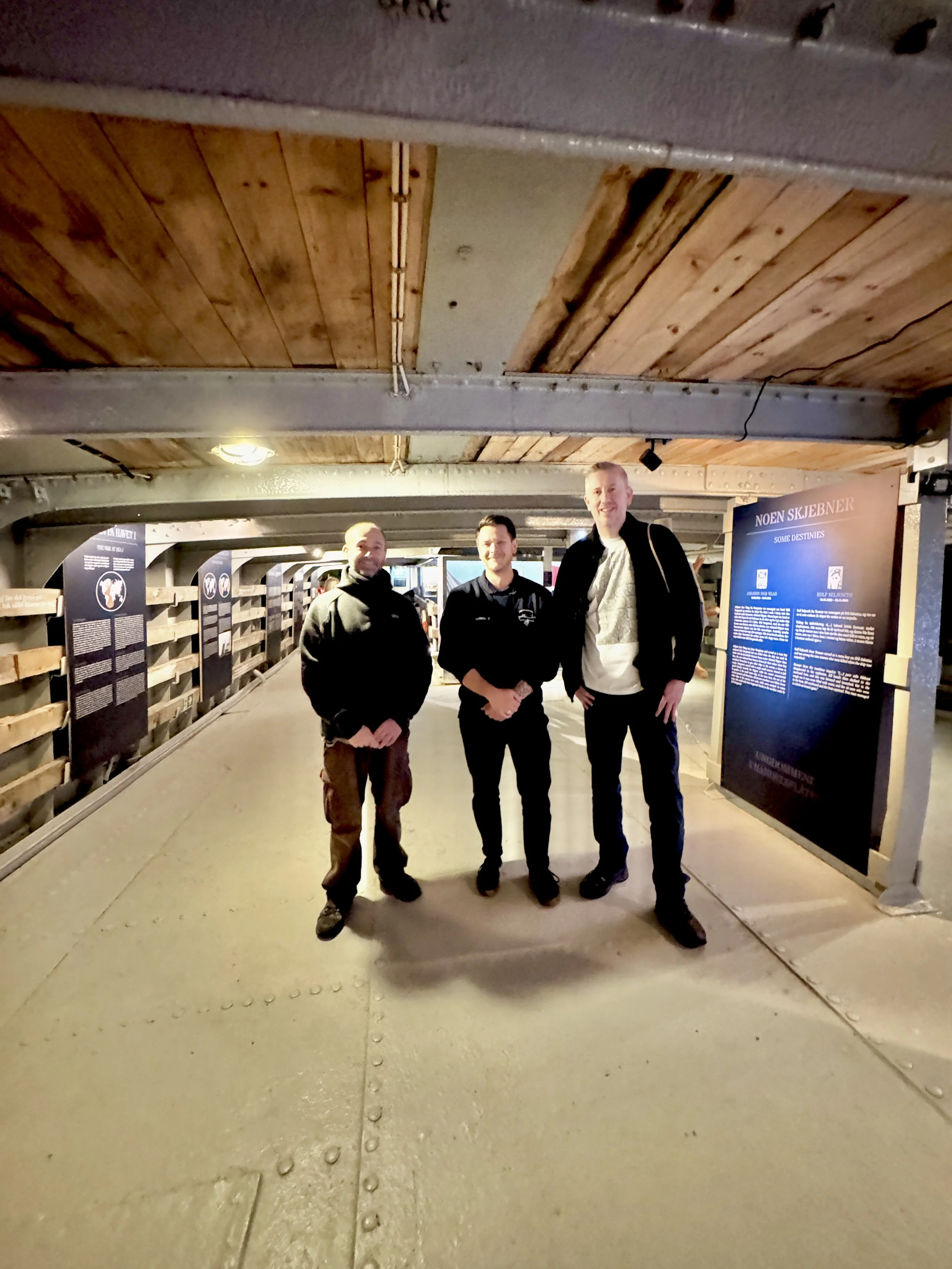
The visit also brought Orbis Community into contact with Gateshead Sea Cadets, adding another generation to that story of seafaring, learning and shared heritage. For our creative team, Hestmanden was much more than a visiting ship. It was a working museum arriving in the heart of the region, allowing history to be experienced through the vessel itself, the people caring for it and the personal stories connected to those who sailed before them. It was a wonderful example of how heritage can travel, meet new communities and create new memories, while allowing the histories of different places to sit alongside one another and become part of a much wider cultural story.