
Creative partnerships, interpretation and public engagement
Orbis Community works across heritage and culture through collaborative creative practice, bringing together practitioners from different disciplines to contribute to existing programmes or develop new projects with cultural partners.
Our approach is shaped around the needs of each site, collection, story or brief. We work with artists, designers, illustrators, makers, writers, photographers, fabricators and educators, drawing on the skills within our wider creative community to form project teams with the right mix of experience for each piece of work.
Projects can include artist commissions, interpretation, print and object-based work, workshops, participatory activity, temporary installations, visitor engagement and creative responses to buildings, collections, archives and place. Some begin with an existing programme where additional creative input is needed. Others are developed collaboratively from the earliest stages, exploring how a site, story or collection might be experienced in a new way.
Our work is grounded in a genuine connection to heritage and culture and in the belief that historic places continue to have a life in the present. They continue to shape ideas, memories and creative practice long after a visit has ended. We are interested in how creative work can help reveal overlooked details, open up new ways of looking and give people different ways to connect with the places and stories around them.
Orbis Community has worked with cultural organisations, educational partners, artists and community programmes for many years. This work brings that experience together through projects that combine creative thinking with practical delivery, whether contributing to an existing programme or developing something entirely new.
Our aim is simple: to use the combined skills within Orbis Community to create thoughtful, well-made and relevant work that responds properly to the places, collections and people we are working with.
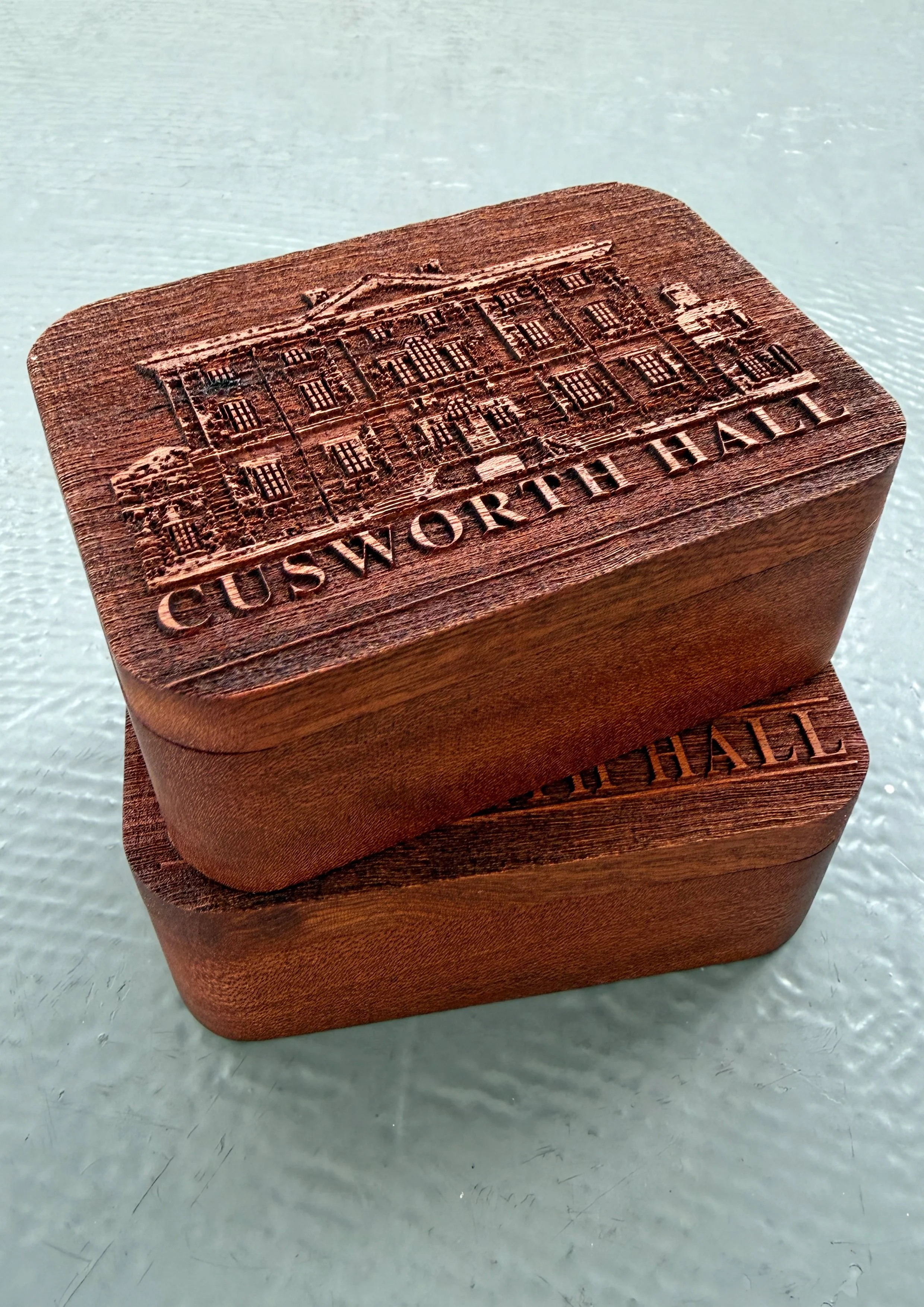
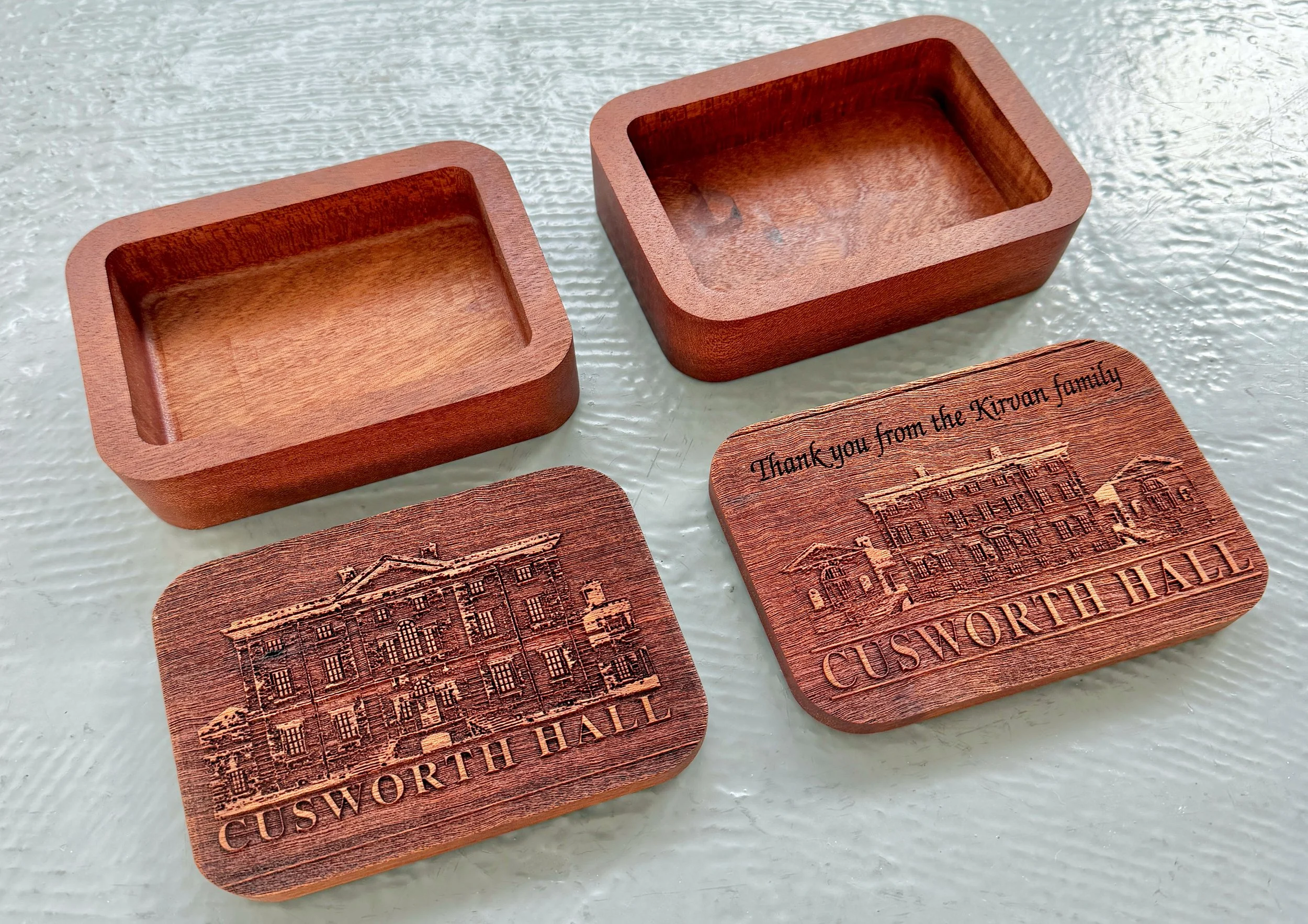
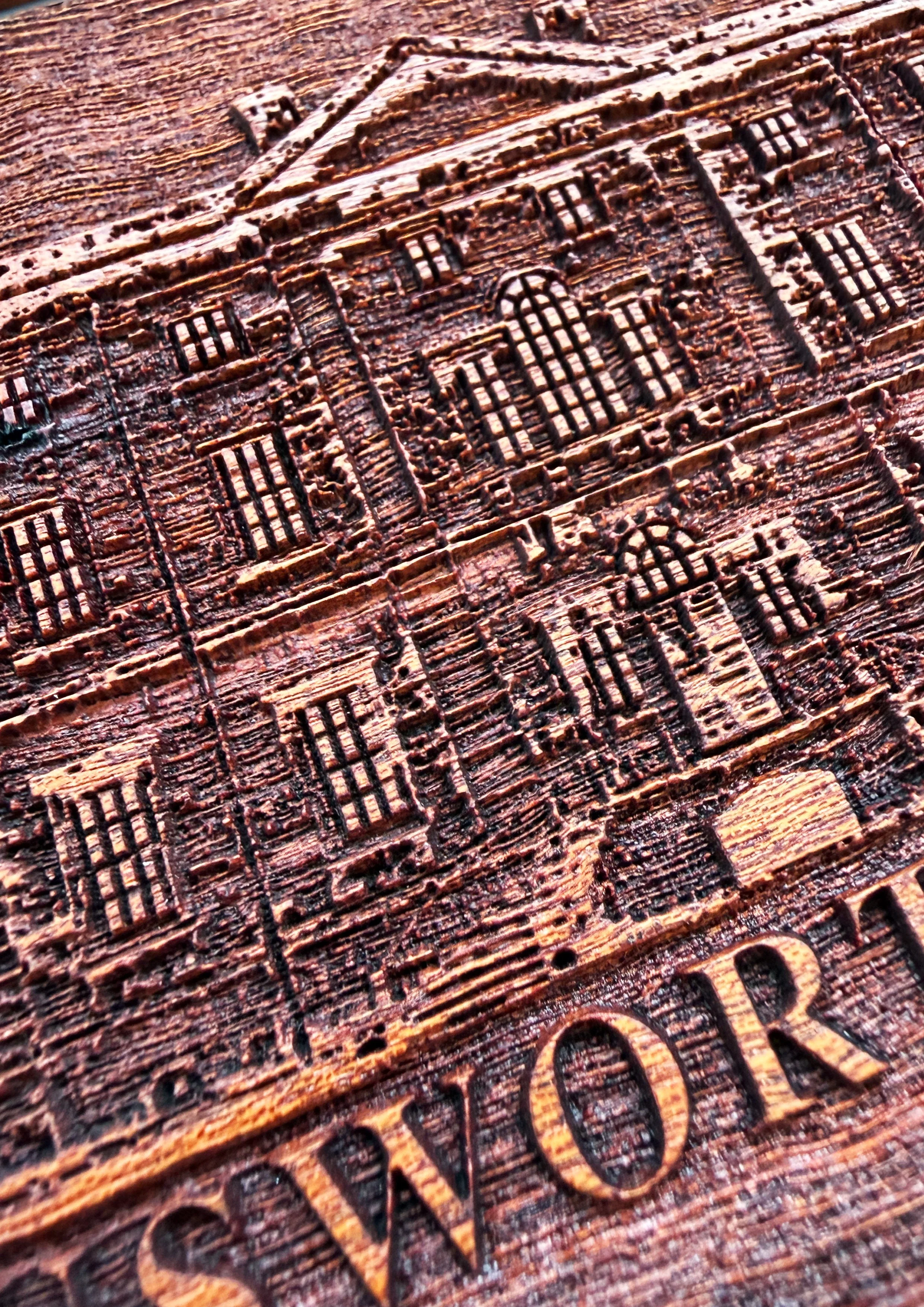
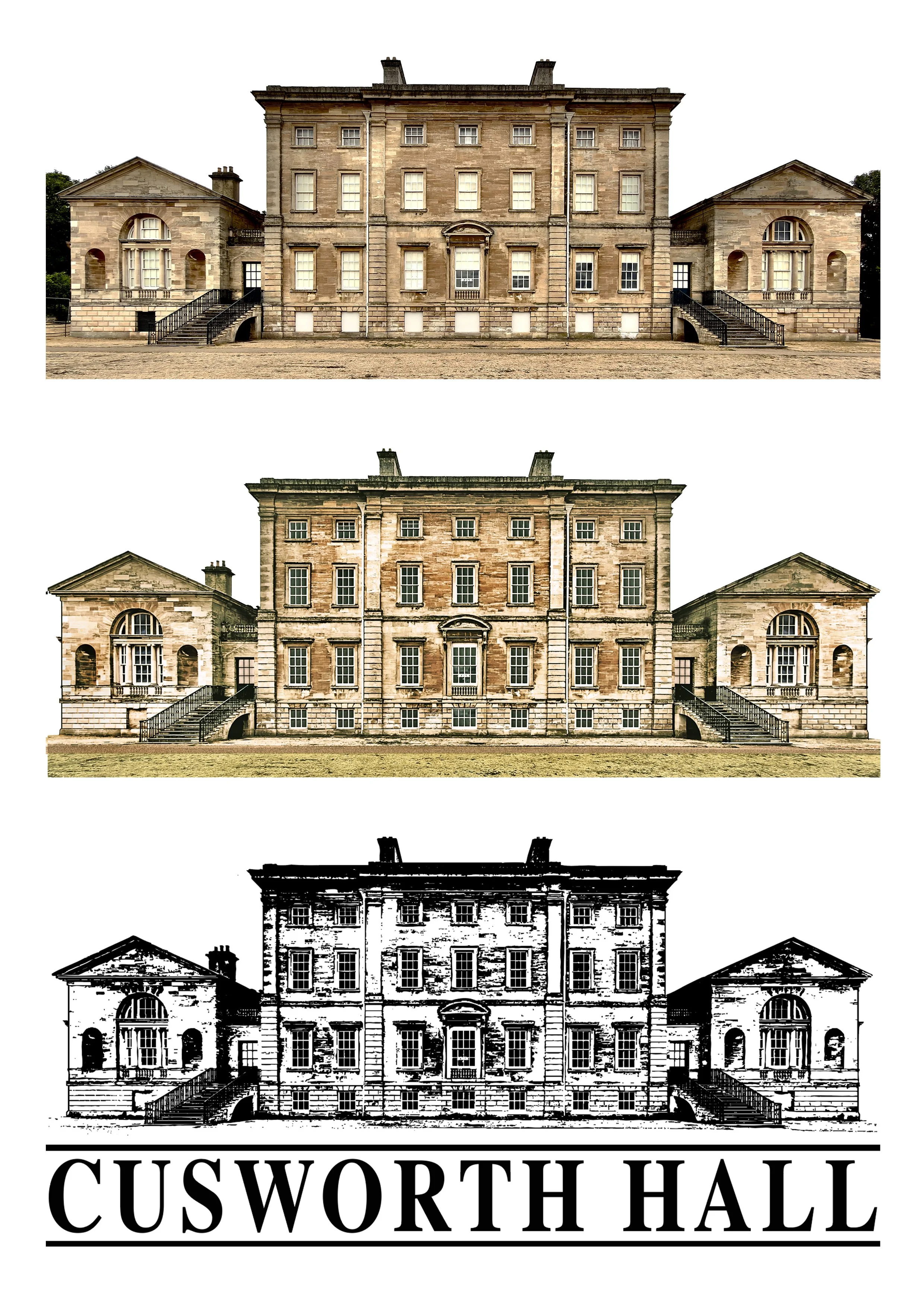
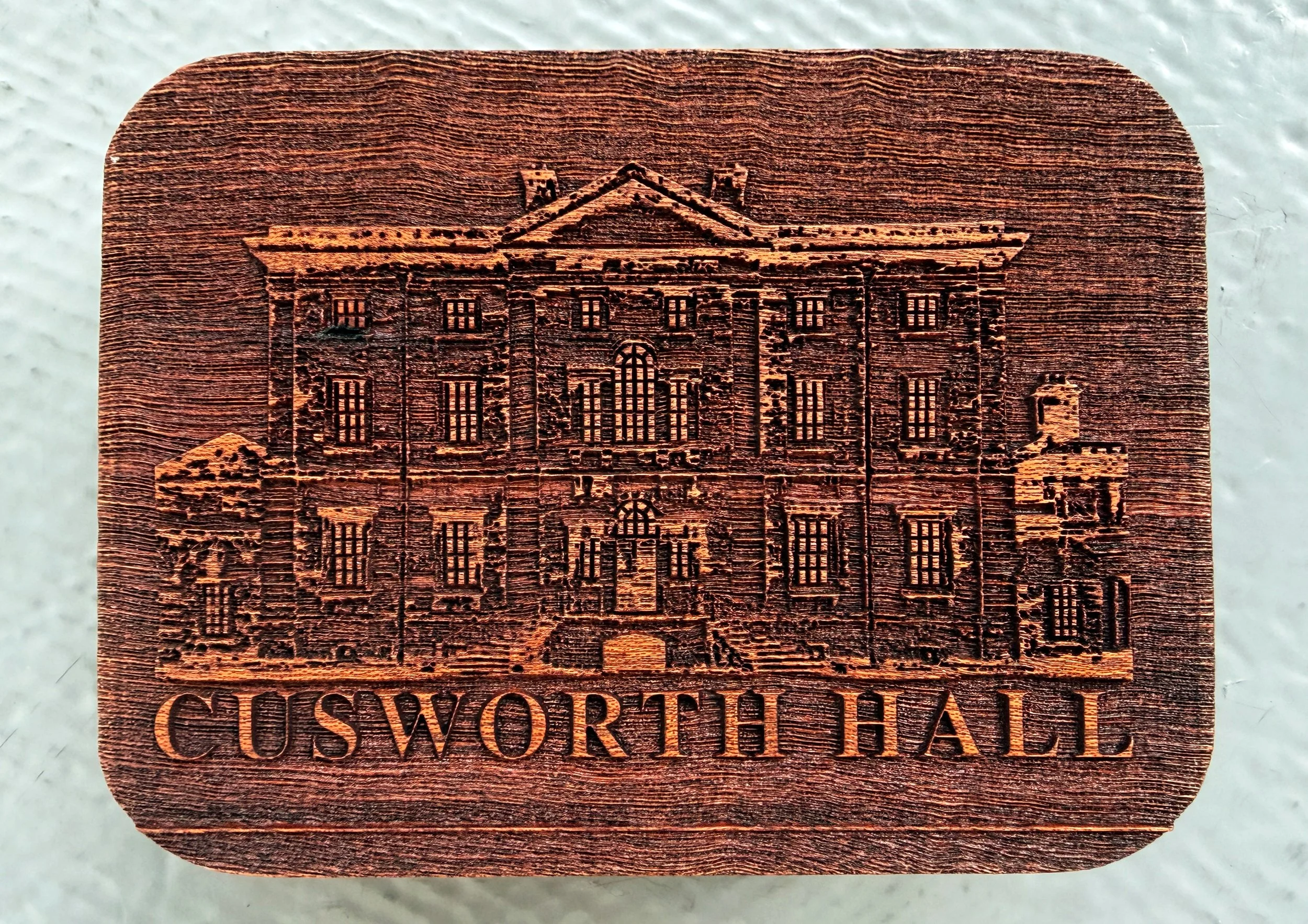
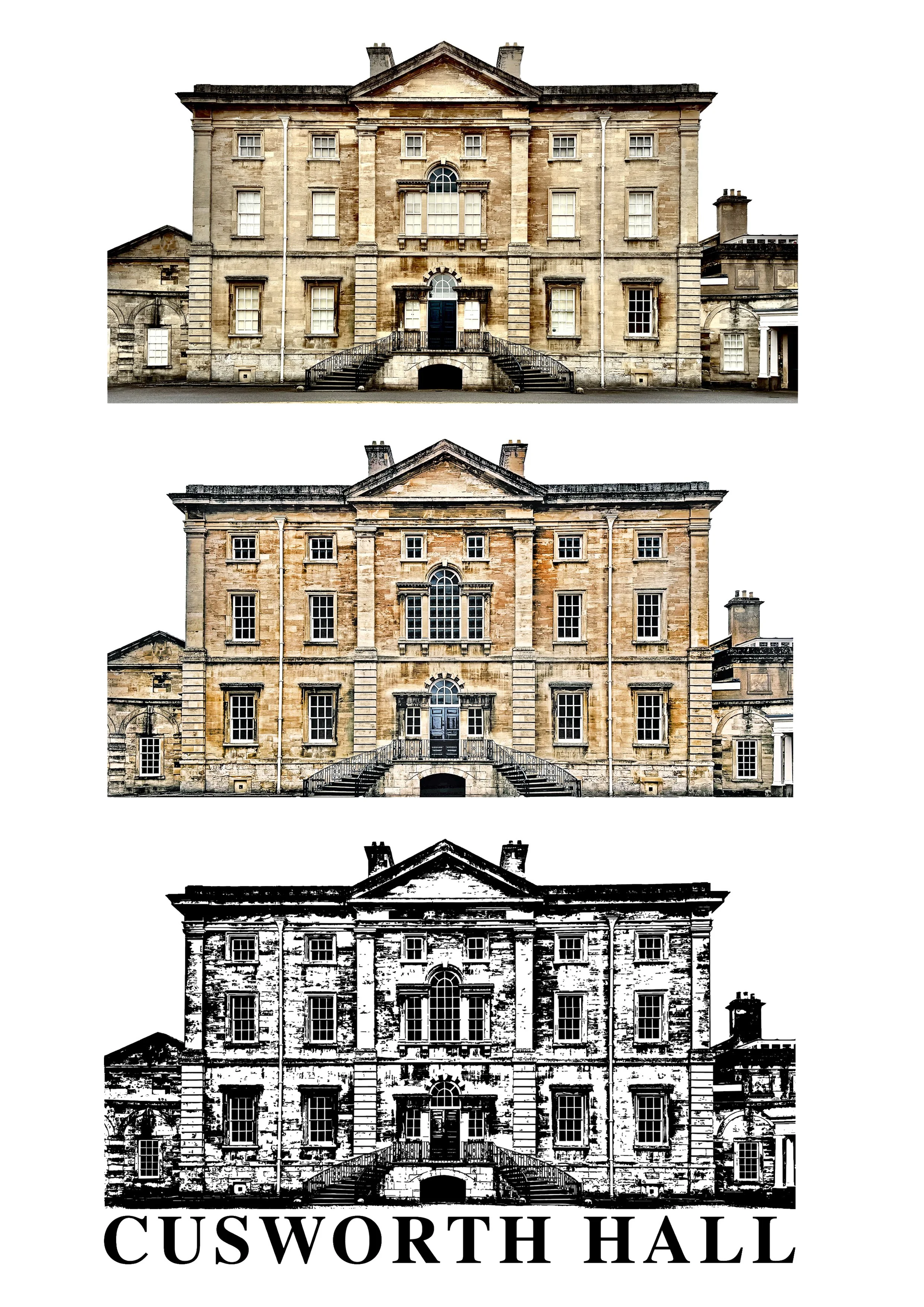
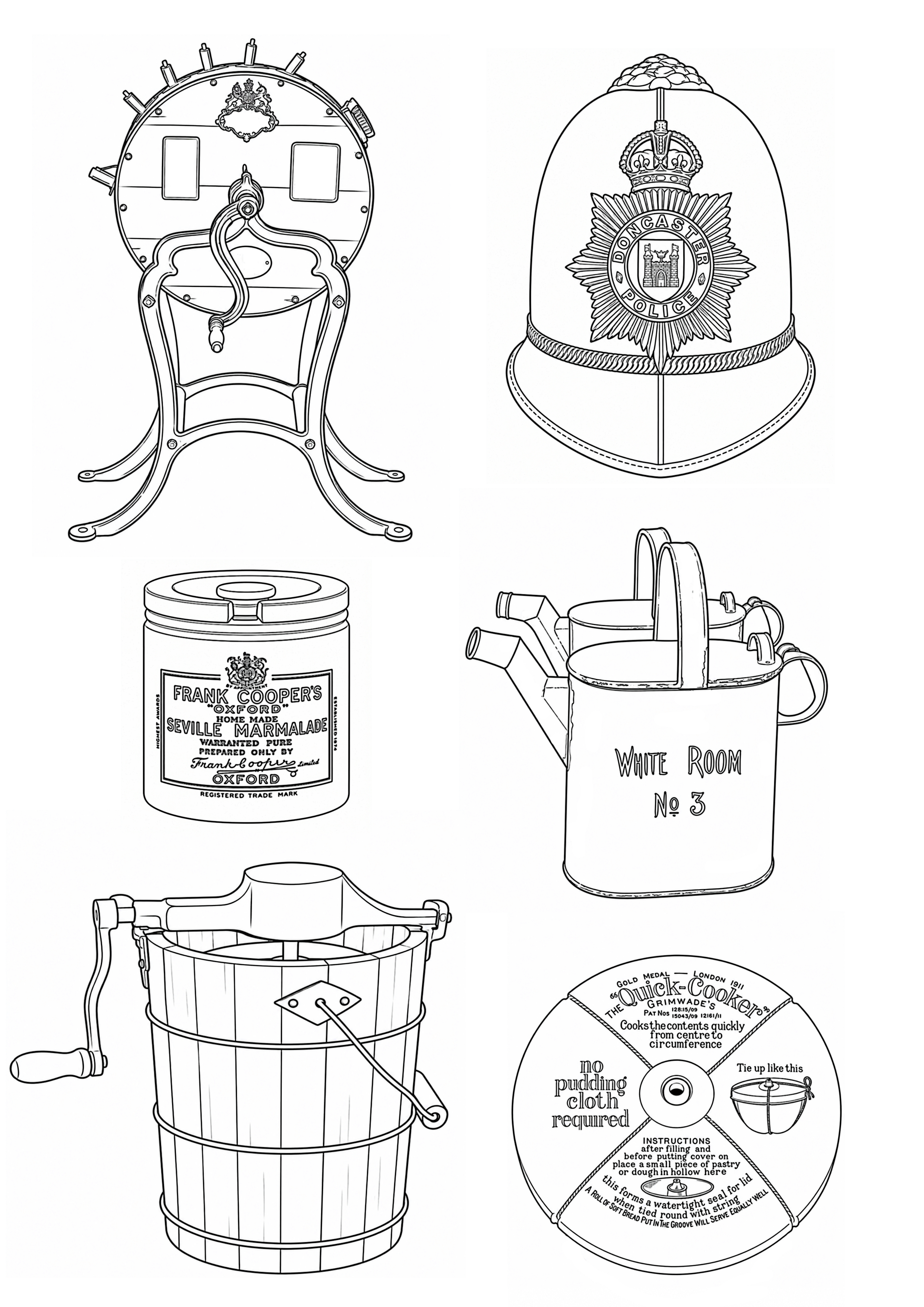
Cusworth Hall
Cusworth Hall sits within a landscape whose history stretches back far beyond the building we see today. Cusworth is recorded in the Domesday Book of 1086, and an earlier manor house or “Old Hall” is documented on the estate by 1327. The present Hall was built for William Wrightson from 1740, replacing the older house and establishing the grand country house that still dominates the site today. Designed initially by George Platt and later enlarged by James Paine, it became one of the most important Georgian houses in the area and is now Grade I listed. Its surrounding parkland, gardens and surviving historic features reflect centuries of change, meaning Cusworth is not simply an eighteenth-century building, but part of a much older landscape shaped by generations of people who have lived, worked and visited there.
Cusworth also has a much more personal connection to Orbis Community. Director Jonpaul Kirvan’s earliest memories of creativity and curation were formed through childhood visits to the Hall, returning again and again and instinctively looking for what had changed. Different displays, objects, rooms and small alterations became part of the experience, sometimes subtle and sometimes much more noticeable, but each one raised questions about why something had been moved, reinterpreted or presented differently and what that change added to the story of the place.
Long before words such as curation, heritage or cultural practice meant anything, those visits were already creating an understanding of how differently a historic space could be experienced through interpretation and display. A change in a room, an object moved into a different setting or a new interpretation could make you look again and notice something you had missed before. Those early sparks became part of a much wider creative practice built around curiosity, experimentation and a deep respect for the way our heritage can be preserved while continuing to inspire new ideas and new generations.